Israeli election ends undecided as both blocs fall short of the 61-seat majority
October 28, 2026 at 09:00 AM · Updated 16m ago
11 reports · 10 in Arabic, 1 in English · over 3 hours
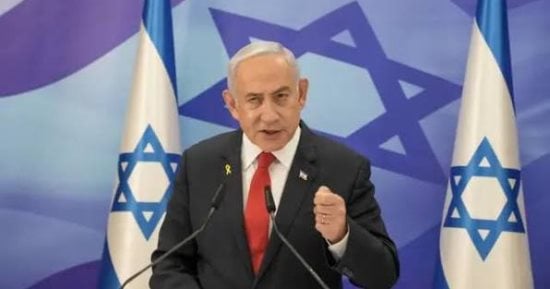
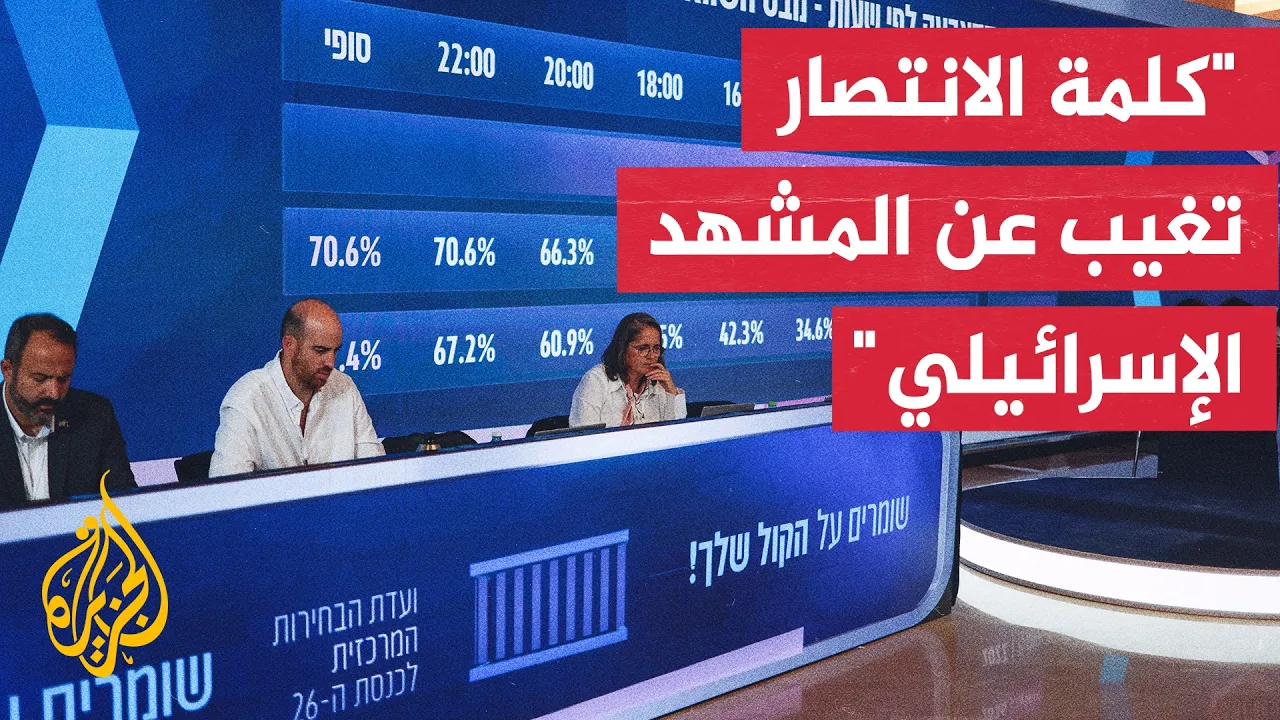
نتنياهو يراهن على المرضى والمساجين.. كيف يؤثر تصويت البريد بانتخابات الكنيست؟
(opens the publisher’s site)
انتخابات إسرائيل 2026.. العرب يحصدون 19 مقعدا ونتنياهو يرفض مشاركتهم
(opens the publisher’s site)
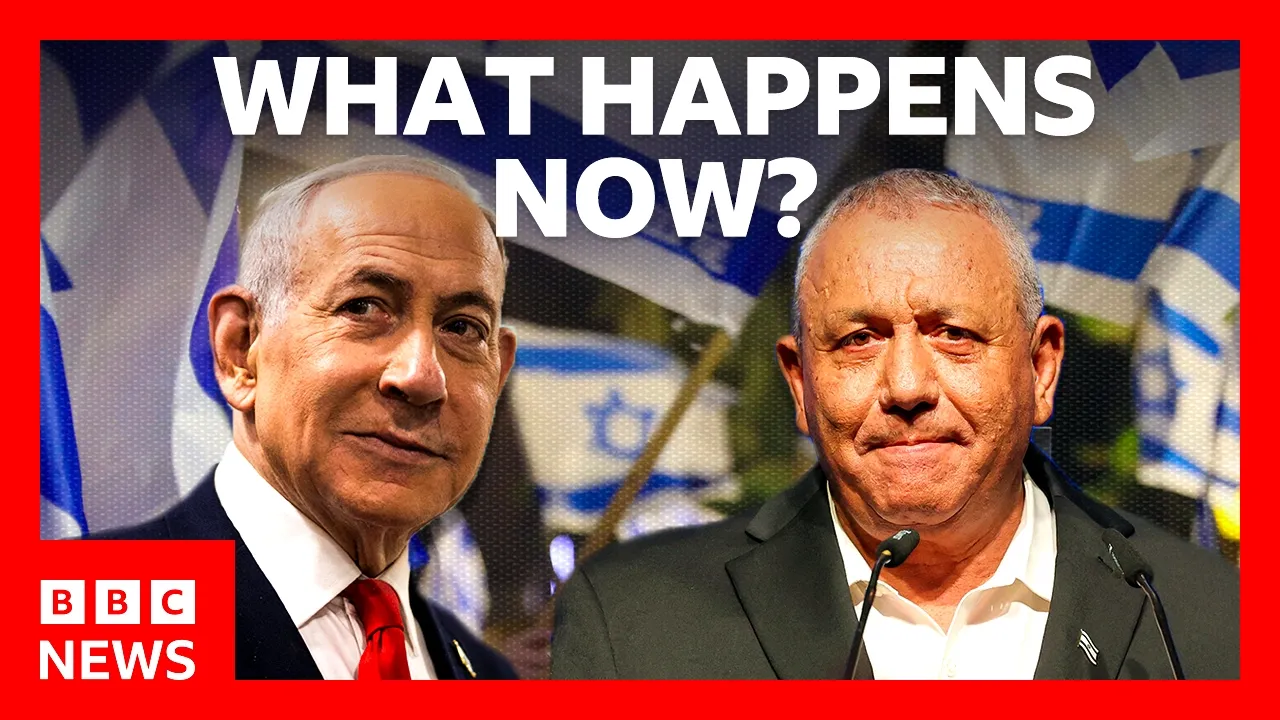
Israeli right makes provocative statements as election votes are counted
(opens the publisher’s site)
انتخابات إسرائيل 2026.. موعد إعلان النتائج الرسمية ومتى تتشكل الحكومة
(opens the publisher’s site)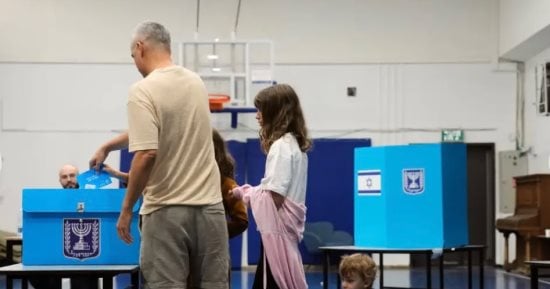
بعد فرز 71% من الأصوات.. مقاعد العرب ترتفع لـ 19 مقابل 54 لمعسكر نتنياهو
(opens the publisher’s site)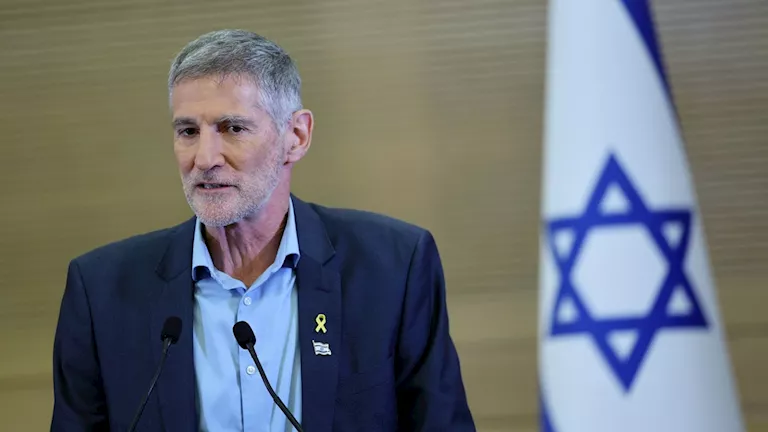
يائير جولان: آيزنكوت حسم 65 مقعدا مقابل 55 لنتنياهو
(opens the publisher’s site)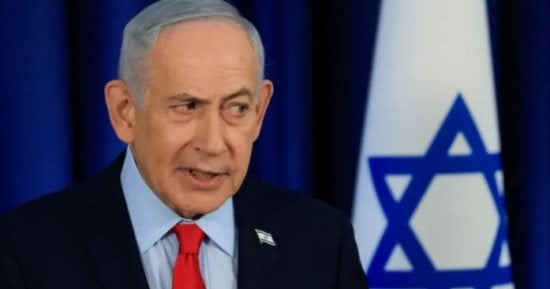
بعد فرز 72.4% من الأصوات.. نتنياهو يبتعد عن الأغلبية البرلمانية بـ7 مقاعد
(opens the publisher’s site)فرز 66% بانتخابات إسرائيل..مقاعد العرب ترتفع لـ18ومعسكر نتنياهو يتراجع لـ54
(opens the publisher’s site)
ما هي احتمالات تشكيل حكومة أغلبية بعد الإعلان عن نتائج الانتخابات الإسرائيلية؟
(opens the publisher’s site)
انتخابات إسرائيل.. تابعوا وتفاعلوا مع آخر المستجدات
(opens the publisher’s site)
فرز 72.4% من الصناديق.. معسكر نتنياهو عند 54 مقعدا
(opens the publisher’s site)Vote counting in Israel's Knesset election shows no bloc reaching the 61 seats needed to form a government, with results still preliminary.
- With 66.3% of votes counted, Netanyahu's bloc holds 54 seats, Eisenkot's opposition 48, and Arab parties 18.
- Official results are due November 4, with about 600,000 absentee ballots, roughly 10 percent of votes, still to be counted.
- Ra'am leader Mansour Abbas said he is ready to join an Eisenkot-led government and has received calls from both camps.
- Opposition leader Gadi Eisenkot pledged to work toward forming a new government.
- Democratic Party leader Yair Golan declared Netanyahu lost the election, saying the change camp won 65 seats against 55, and urged a government with Arab citizens.
- Netanyahu declared he would form a right-wing government without Arab parties' support.
- Opposition leader Gadi Eisenkot said Arab parties do not meet his partnership conditions.
- A Hebrew University poll found over 61% of opposition voters favor a coalition with Ra'am.
- Prime Minister Netanyahu and Finance Minister Bezalel Smotrich accused Arab voters of election theft and pledged to build settlements in Gaza, drawing condemnation from Arab leaders.
- The Central Elections Committee expects 600,000–650,000 postal ballots, up from 463,000 in 2022, with counting to begin at midnight Wednesday.
- After the official results due November 4, President Isaac Herzog will begin consultations to pick a candidate to form the next government.
- Voter turnout in Israel's election reached its highest level since the 1988 Knesset vote, according to preliminary counting data.