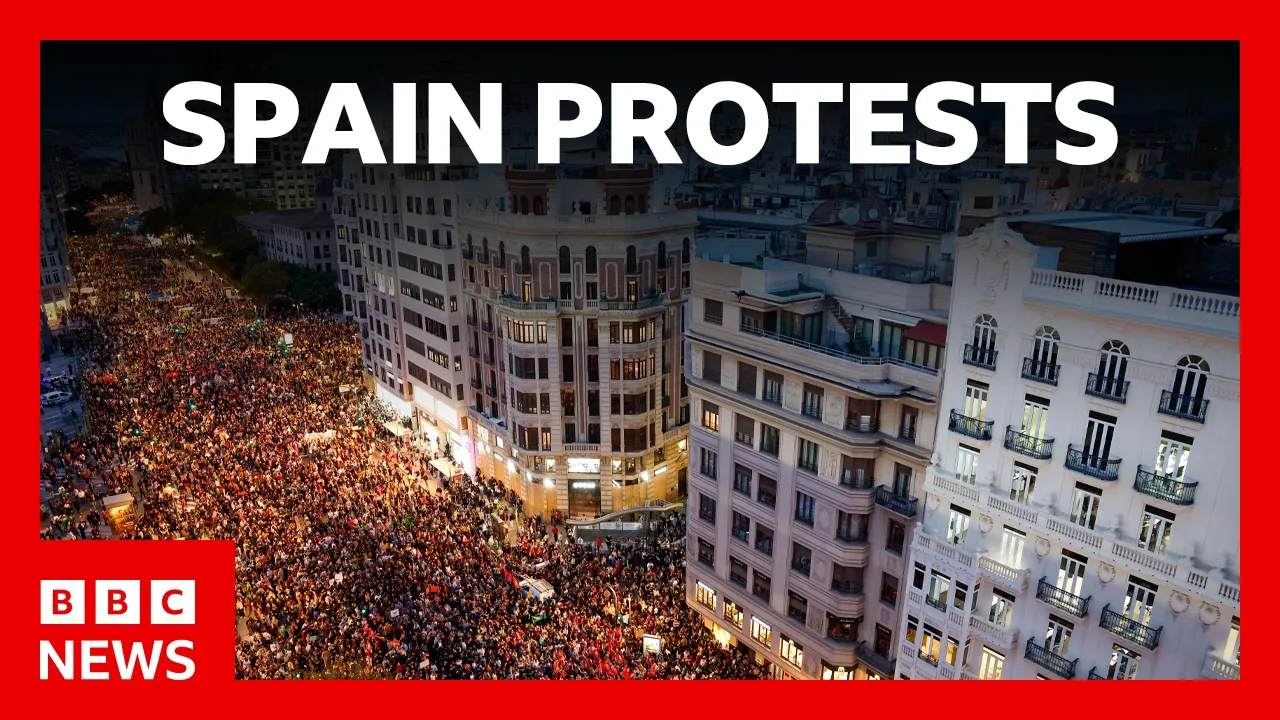
Spain holds first general strike in 14 years over housing costs
· Updated
11 reports · 7 in Arabic, 4 in English · over 23 hours

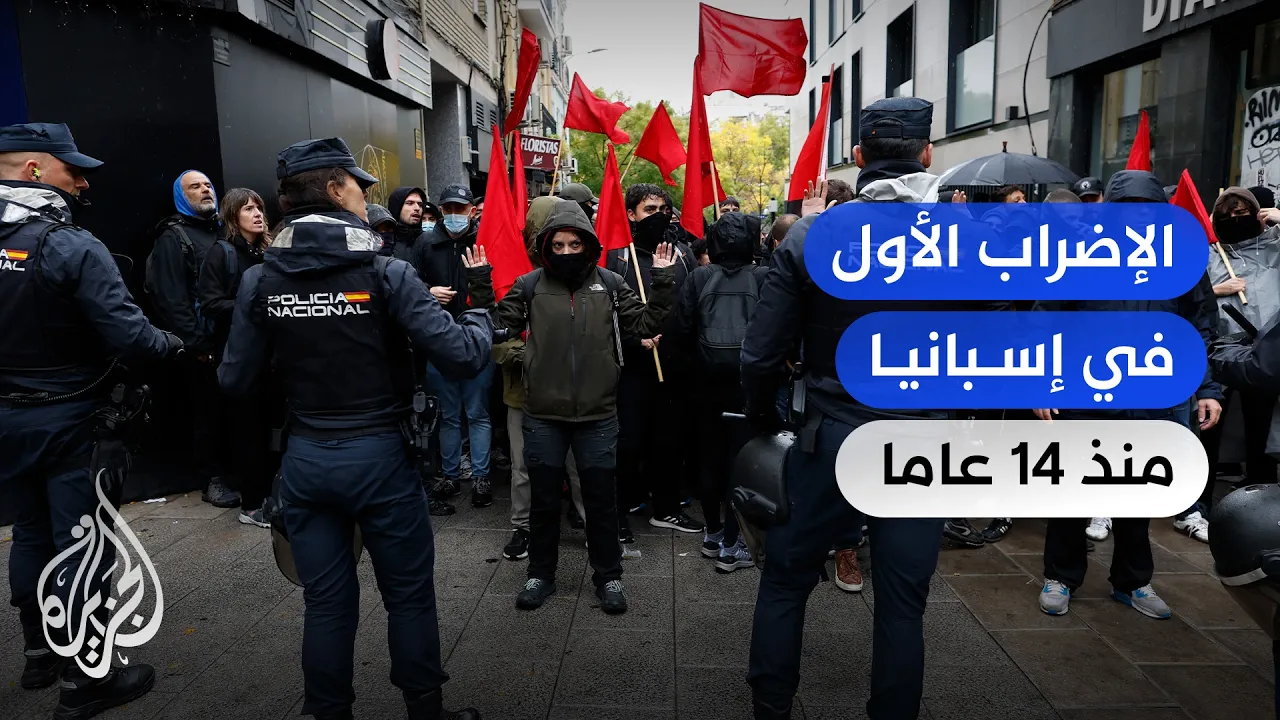
إسبانيا تشهد أول إضراب عام منذ 14 عاما بسبب الغلاء
(opens the publisher’s site)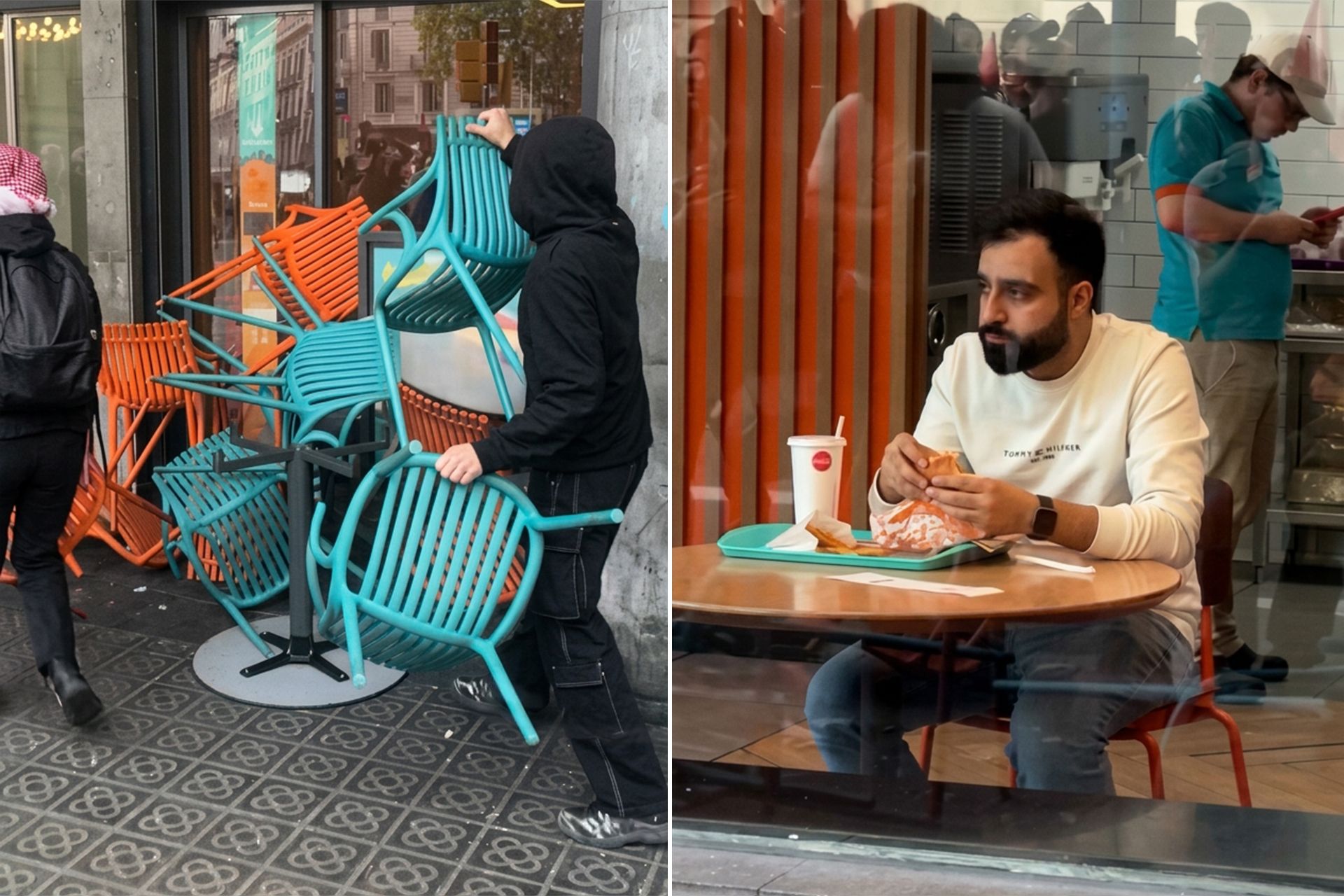
"نداء المعدة ينتصر".. رجل يكمل وجبته أثناء محاولة المتظاهرين تحطيم المطعم ببرشلونة
(opens the publisher’s site)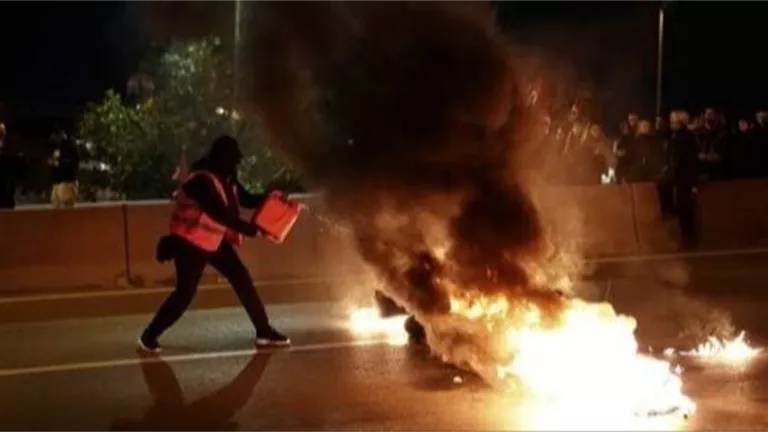
اشتباكات في برشلونة مع مشاركة الآلاف في إضراب عام بإسبانيا
(opens the publisher’s site)
Millions of Spaniards stage first general strike in 14 years as anger rages over housing
(opens the publisher’s site)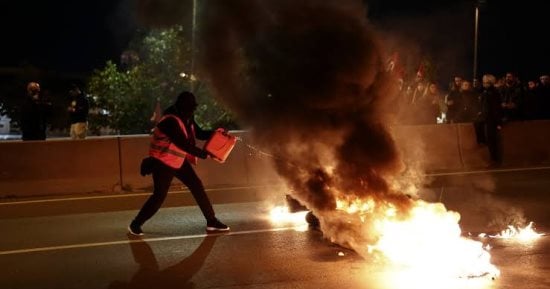
اشتباكات عنيفة بين الشرطة ومتظاهرين خلال إضراب السكن فى إسبانيا.. فيديو
(opens the publisher’s site)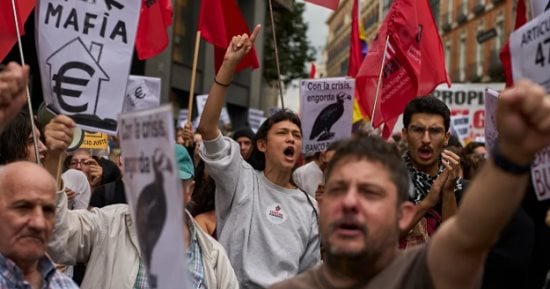
أزمة السكن تشعل أول إضراب عام فى إسبانيا منذ 14 عاما.. فيديو
(opens the publisher’s site)
إسبانيا تشهد اضطرابات واسعة النطاق في أول إضراب عام منذ 14 عاماً
(opens the publisher’s site)
Spain sees widespread disruption in first general strike for 14 years
(opens the publisher’s site)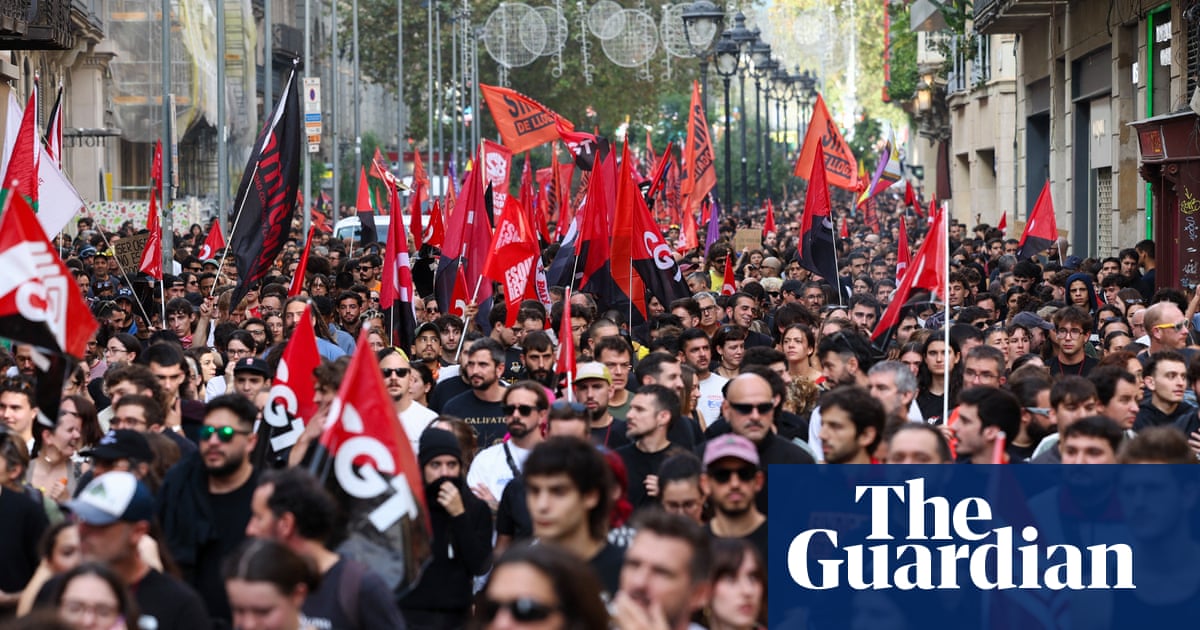
Millions join Spain’s first general strike in 14 years in protest at rising housing costs
(opens the publisher’s site)
أزمة السكن تشعل أول إضراب عام في إسبانيا منذ 14 عاما
(opens the publisher’s site)
Spain’s first general strike in 14 years begins
(opens the publisher’s site)Workers across Spain began a 24-hour general strike on Wednesday over housing costs, less than three weeks before a 29 November election.
- The UGT and CCOO unions reported 90% participation in the automotive and port sectors and said support was uneven across regions.
- The Spanish Confederation of Business Organisations said participation was "low and uneven" depending on area and sector.
- Government officials said 27 people had been arrested over minor incidents, with picketers blocking roads in Barcelona and scuffling with police near Madrid's wholesale market.
- Prime Minister Pedro Sánchez said the strike was "not against anyone, but in favour of a common response" on access to housing.
- The 29 November election was called by Prime Minister Pedro Sánchez after parliament rejected his housing reform plan.
- Riot police clashed with protesters in Madrid, Barcelona and Valencia, firing pepper spray, tear gas and rubber bullets to clear blocked roads including Madrid's Gran Via.
- The UGT and CCOO said about four million workers joined the strike, with participation highest in coastal regions hardest hit by housing costs.
- Stores including Primark, H&M and Pull&Bear closed on Madrid's Gran Via as the strike halted road transport, ports and car plants.
- About 120,000 people demonstrated in Madrid and more than 50,000 in Barcelona during the strike, according to reported turnout figures.
- In Barcelona, masked protesters set fire to bins and smashed shop windows, and police fired tear gas during the strike.
- The walkout followed weeks of protests sparked by the eviction of 87-year-old Maricarmen Abascal from her Madrid flat before her death.
- Catalan president Salvador Illa condemned the rioting in Barcelona, saying violence and vandalism do not represent peaceful protesters and that those who cause damage will face consequences.