Conflict & Security
Gulf Cooperation Council demands halt to Iranian and Houthi attacks at UN Security Council
· Updated
Coverage
6 reports · over 13 hours
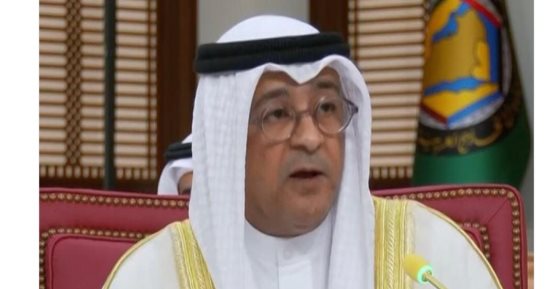
يواليوم السابع
التعاون الخليجى: دولنا تعرضت لأكثر من 7 آلاف صاروخ ومسيرة إيرانية
(opens the publisher’s site)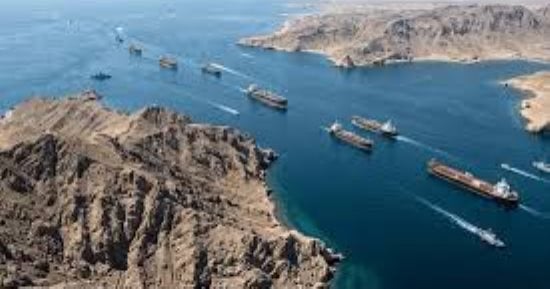
يواليوم السابع
البحرين أمام مجلس الأمن: أمن الخليج ركيزة أساسية للسلم والأمن الدوليين
(opens the publisher’s site)
يواليوم السابع
مجلس التعاون الخليجي: يجب الوقف الفوري وغير المشروط للاعتداءات الحوثية
(opens the publisher’s site)
AJAl Jazeera Arabic
مجلس التعاون: ندين هجمات إيران والحوثي ونطالب بوقفها ومحاسبة المتورطين
(opens the publisher’s site)
يواليوم السابع
مندوب البحرين أمام مجلس الأمن: نؤكد حق السعودية المشروع فى الدفاع عن النفس
(opens the publisher’s site)
MAMasrawy
مجلس التعاون الخليجي: دولنا تعرضت لأكثر من 7 آلاف صاروخ وطائرة مسيرة إيرانية منذ فبراير الماضي
(opens the publisher’s site)The GCC secretary general told the Security Council that Gulf states have absorbed thousands of Iranian missiles and drones and demanded that the attacks stop.
- Jassim Al-Budaiwi told the Security Council on Friday that Iran bears full responsibility for the attacks on Gulf states and rejected Tehran's justifications for them.
- Al-Budaiwi said Gulf states have been hit by more than 7,000 Iranian missiles and drones since 28 February 2026, striking airports, ports and energy facilities.
- He rejected any closure of the Strait of Hormuz or the imposition of transit fees, and condemned attacks on commercial ships and tankers there.
- Al-Budaiwi condemned Houthi attacks on Saudi Arabia, citing an October strike on Riyadh's King Khalid airport, and welcomed the Security Council's condemnation of the Houthi escalation.
- Bahrain's permanent representative to the UN told the Security Council that Manama stands fully with Saudi Arabia and backs its right to self-defence against Houthi attacks.
- The Bahraini envoy warned that continued Iranian threats to resume attacks pose a direct threat to regional security and stability.
- Bahrain's UN ambassador Jamal Fares Al-Ruwaie, speaking for the GCC, said Gulf states must be included in any negotiations on the region's future.
- Al-Ruwaie called for full implementation of Security Council Resolution 2817 of 2026 and guarantees against further attacks on Gulf states.
- Al-Ruwaie said the Iranian missile and drone attacks had also struck Jordan in addition to the Gulf states.
- Al-Budaiwi said the attacks killed and wounded people and caused widespread damage, calling them a flagrant violation of Gulf sovereignty and international law.
- Al-Budaiwi urged the Security Council and the international community to pressure Iran and its regional proxies to halt the attacks.