Trump urges Congress to fund air traffic control overhaul following a four-hour nationwide flight halt
· Updated
19 reports · 10 in Arabic, 9 in English · over 33 hours

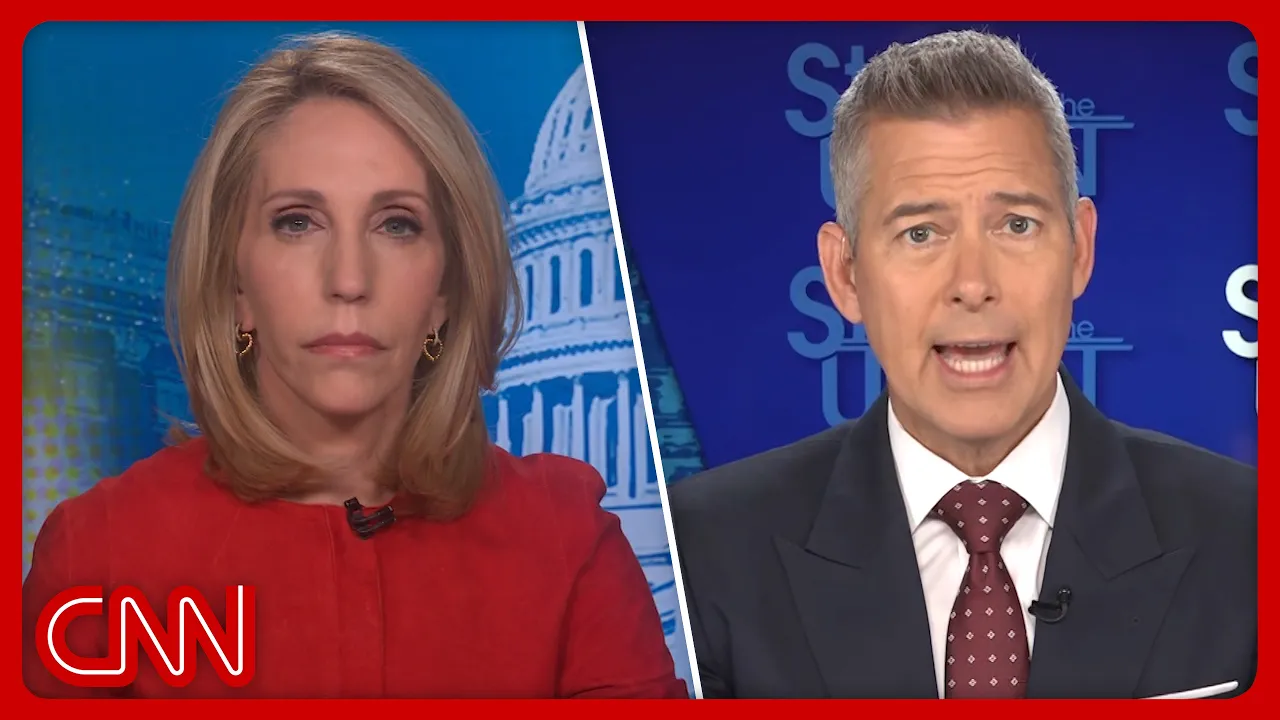
Pete Buttigieg fires back at Trump blaming him for FAA ground stop
(opens the publisher’s site)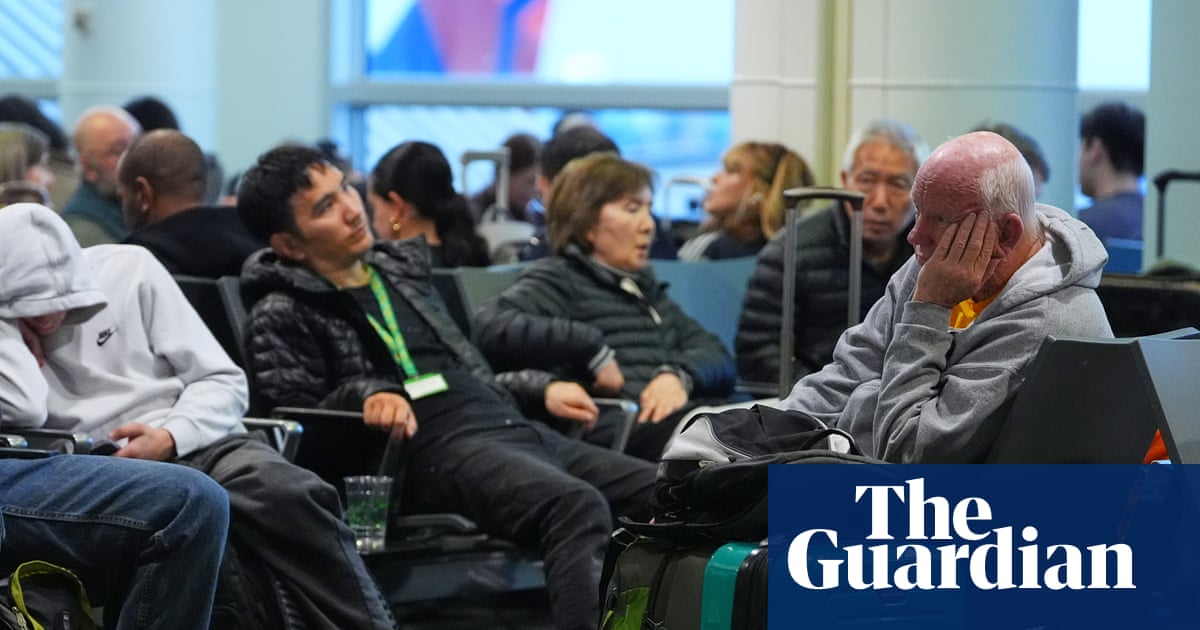
Democrat writes off Trump’s attempt to blame party for flight grounding as ‘absurd’
(opens the publisher’s site)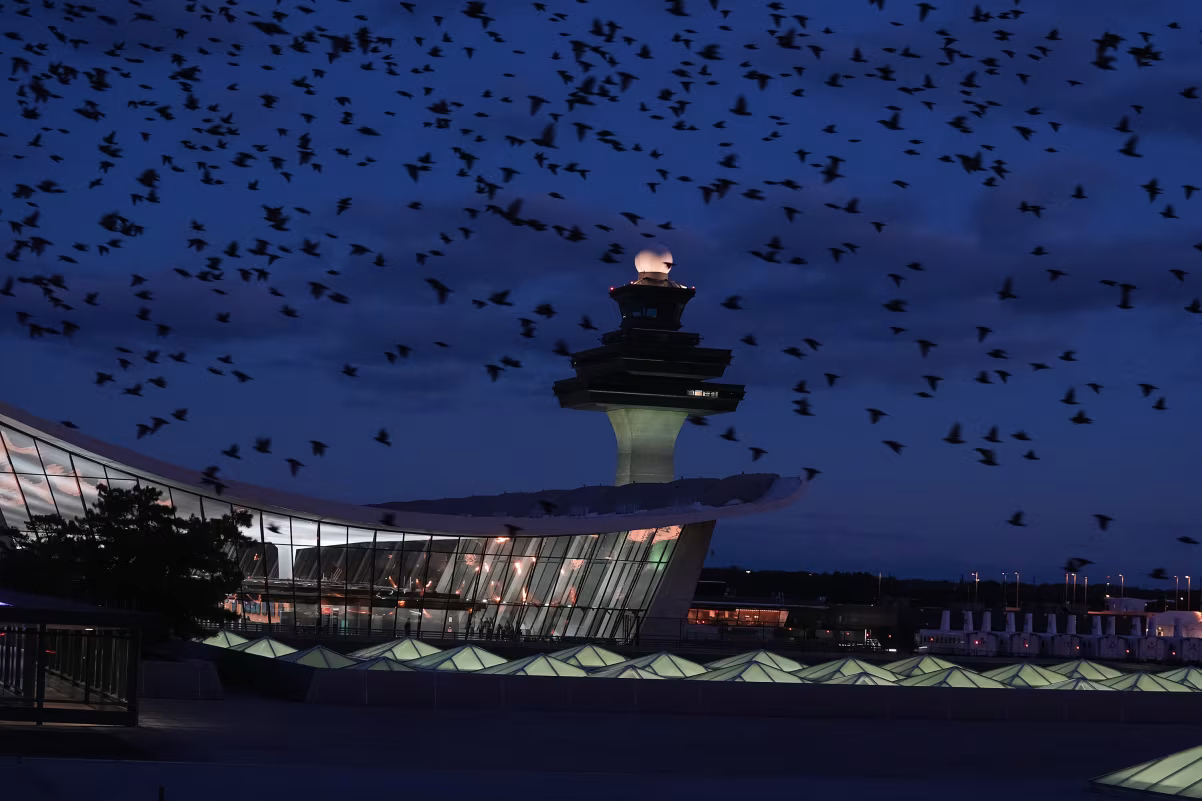
Showdown looms between Trump and Democrats over air traffic control meltdown
(opens the publisher’s site)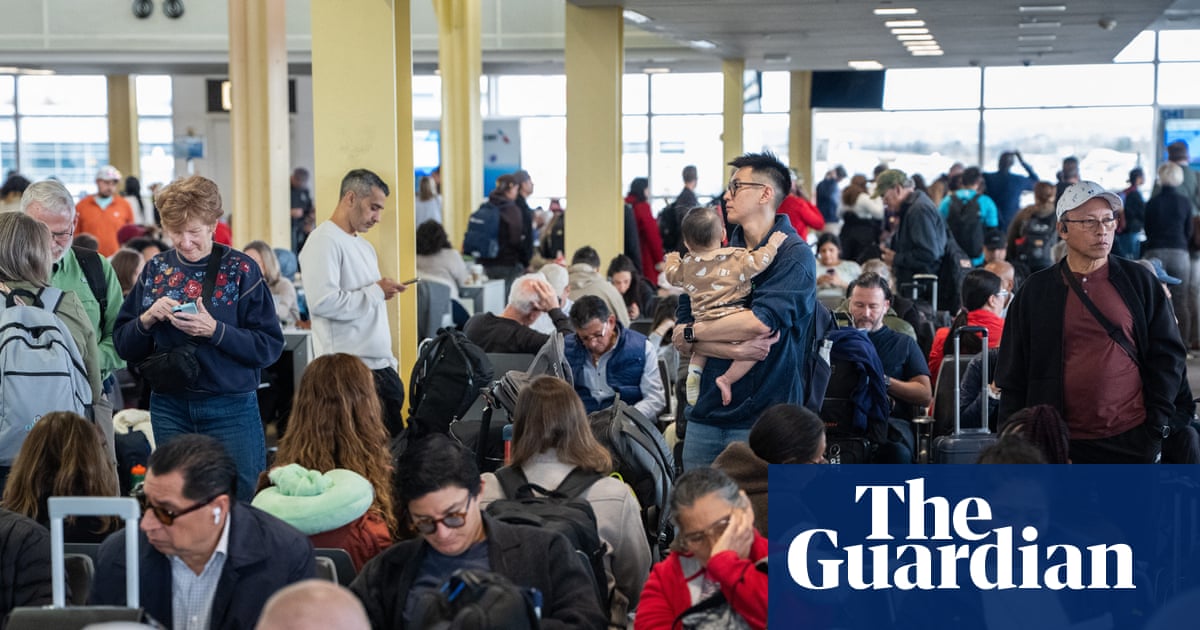
First Thing: Trump administration blames travel chaos on former presidents and Congress
(opens the publisher’s site)
Showdown looms between Trump and Democrats over air traffic control meltdown
(opens the publisher’s site)
After a nationwide ground stop, US faces aviation infrastructure questions
(opens the publisher’s site)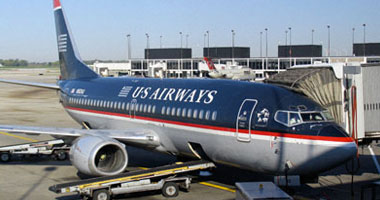
«وول ستريت جورنال»: جهاز واحد فى ولاية أركنساس سبب تعطل حركة الطيران الأمريكية
(opens the publisher’s site)
اضطرابات الطيران الأمريكي تتواصل لليوم الثالث وإلغاء أكثر من 1600 رحلة
(opens the publisher’s site)
استمرار أزمة الطيران بالولايات المتحدة وترمب يحمّل بايدن مسؤولية "الكارثة"
(opens the publisher’s site)
Thousands of US flights still cancelled or delayed two days after grounding of planes nationwide
(opens the publisher’s site)
ترامب يطالب الكونجرس بتمويل عاجل لتحديث نظام مراقبة الحركة الجوية
(opens the publisher’s site)
ترامب يحمل إدارة بايدن مسؤولية توقف الطيران في أمريكا
(opens the publisher’s site)
As Trump administration implores Congress for additional FAA funding, Democrats say the agency already has it
(opens the publisher’s site)
بعد إلغاء ما يقرب من 8000 رحلة.. ترامب يتهم بايدن بتعطيل نظام الحركة الجوية
(opens the publisher’s site)
شلل الطيران الأميركي.. ترامب يحمّل بايدن المسؤولية
(opens the publisher’s site)
Transportation secretary Sean Duffy blames prior presidents and Congress for flight stoppage
(opens the publisher’s site)
ترامب يعلق لأول مرة على شلل حركة الطيران في أمريكا.. ماذا طلب من الكونغرس؟
(opens the publisher’s site)
ترامب: نظام مراقبة الحركة الجوية في أمريكا عمره نحو 50 عامًا ويجب تحديثه
(opens the publisher’s site)
أين ترامب؟.. صحيفة: التزم الصمت خلال أزمة شلل الطيران وانشغل بالترفيه
(opens the publisher’s site)The FAA halted flights nationwide for about four hours on Friday, and Trump on Sunday urged Congress to fund a modernization of air traffic control.
- The Federal Aviation Administration ordered a nationwide halt to flights on Friday that lasted about four hours and disrupted thousands of flights.
- Trump said much of the US air traffic control system is about 50 years old and urged Congress to fund its modernization in a single phase.
- Homeland Security Secretary Markwayne Mullen said at a Friday press conference that Trump was monitoring the situation and had given officials authority to respond.
- Trump blamed the Biden administration for the outage in his first comments, calling Biden's handling of aviation a 'catastrophe' in a Truth Social post.
- Transportation Secretary Sean Duffy said a contractor's botched maintenance caused the outage and that no foreign cyberattack is indicated.
- Democratic Senator Chris Van Hollen said the administration has not properly spent the $12.5 billion Congress already allocated for air travel upgrades.
- Transportation Secretary Sean Duffy asked Congress to approve 50 billion dollars in additional FAA funding, raising his earlier 30 billion dollar request.
- House Speaker Mike Johnson said FAA funding will be added to an upcoming legislative package, as Congress negotiates a government funding deal under a December 11 deadline.
- Thousands of US flights remained cancelled or delayed on Sunday, two days after the nationwide ground stop halted departing aircraft.
- Transportation Secretary Sean Duffy said normal air traffic operations may not resume until Monday because planes and crews were out of position.
- More than 1,600 US flights were cancelled and about 3,600 delayed on Sunday, after more than 6,400 cancellations the previous day.
- The outage began after a new router in El Dorado, Arkansas, sent floods of data while a radar device in Amarillo, Texas, overloaded the network.