IEA reports 2.8 billion barrels of oil lost to Middle East supply disruptions
· Updated
Coverage
8 reports · 7 in Arabic, 1 in English · over 5 hours

بيرول: عالم الطاقة لن يعود كما كان قبل حرب إيران
(opens the publisher’s site)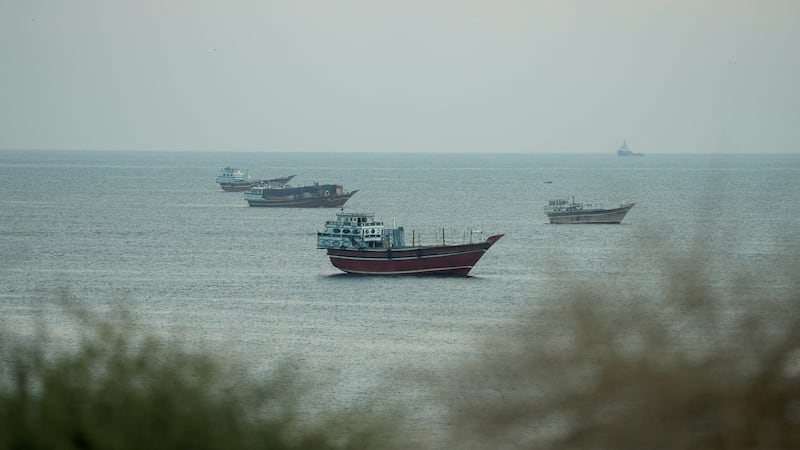
IEA says $40bn spent on pipelines will not end Gulf’s Strait of Hormuz dependence
(opens the publisher’s site)
وكالة الطاقة: حرب إيران ستخفض الطلب على النفط 4% بحلول 2035
(opens the publisher’s site)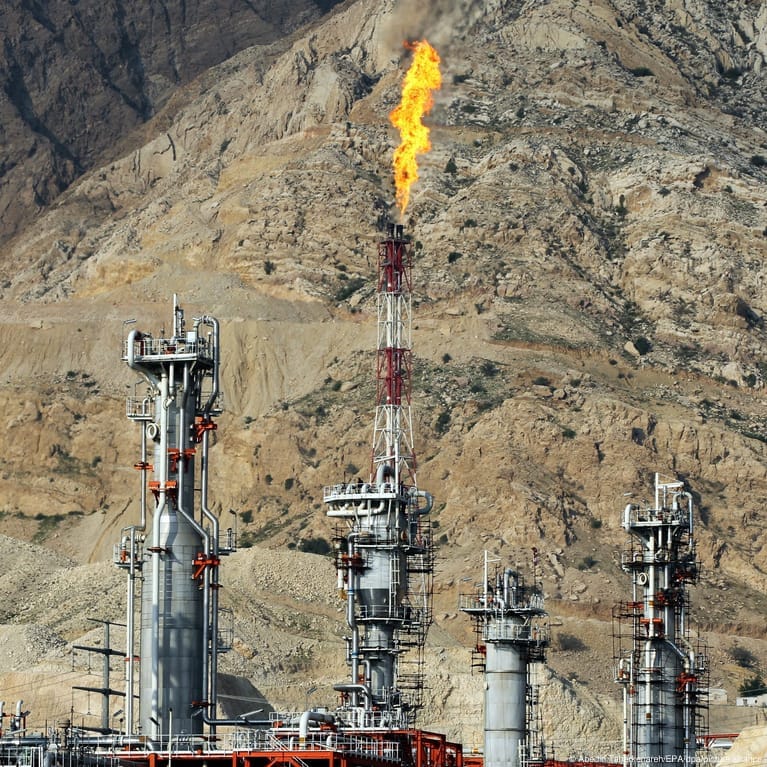
وكالة الطاقة الدولية: الحرب مع إيران ستترك آثارا دائمة على أسواق الطاقة العالمية.
(opens the publisher’s site)
وكالة الطاقة الدولية تعتبر أزمة الشرق الأوسط أكبر تهديد لأمن الطاقة في التاريخ
(opens the publisher’s site)
وكالة الطاقة: أزمة مضيق هرمز أكبر تهديد لأمن الطاقة في التاريخ
(opens the publisher’s site)
الطاقة الدولية: السوق العالمية فقدت 2.8 مليار برميل من النفط بسبب أزمة الشرق الأوسط
(opens the publisher’s site)
"الطاقة الدولية" تحذّر: أزمة الشرق الأوسط هي "أكبر تهديد" على الإطلاق لأمن الطاقة
(opens the publisher’s site)The International Energy Agency's 2026 outlook reports that supply disruptions through the Strait of Hormuz constituted the largest energy shock in its history, lasting through November.
- The IEA said supply disruptions through the Strait of Hormuz cut global oil supply by 16 million barrels a day at the crisis peak.
- The agency estimated about 60 billion cubic meters of Gulf gas was lost and that restoring Qatar's Ras Laffan LNG complex will take roughly three years.
- The IEA said the Hormuz crisis posed the biggest threat to energy security in history, surpassing the oil shocks of the 1970s.
- Birol said countries have made diversifying supply sources and developing domestic resources top priorities, with consumers bearing a growing share of the cost.
- The IEA projected the conflict could cut global oil demand by more than 4% by 2035 if governments accelerate electrification, efficiency and alternative fuels.
- The agency said Hormuz oil flows could fall below 2 million barrels a day by 2035, from about 20 million before the crisis.
- Birol said there is no realistic path back to the pre-crisis status quo; the IEA said a swift settlement could shift markets in buyers' favour.
- The IEA said about $40 billion of planned pipelines adding roughly 7 million barrels a day would not end Gulf dependence on the Strait of Hormuz.
- The IEA said the war began with US and Israeli strikes on Iran in late February.
- The agency said Hormuz flows fell from about 20 million barrels a day to roughly 3 million between March and May.
- The IEA introduced an 'additional response case' scenario projecting that accelerated electrification would cut global oil demand by 4.4 million barrels a day by 2035.
Market angle
- Higher oil prices raise the selling prices of refined oil products. — may benefit: Energy & support services
Not investment advice.