ICJ finds Myanmar committed genocide against Rohingya in 2017 campaign
· Updated
14 reports · 7 in Arabic, 7 in English · over 9 hours

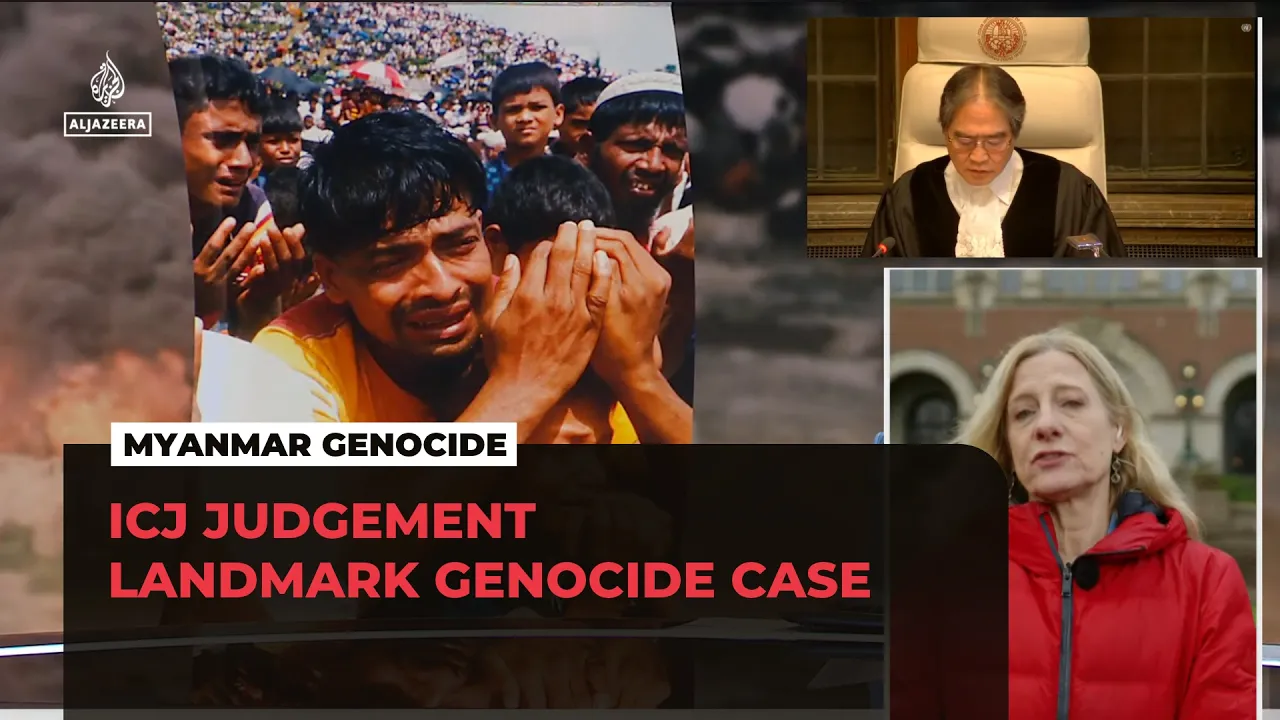
What the ICJ genocide ruling means for the Rohingya people
(opens the publisher’s site)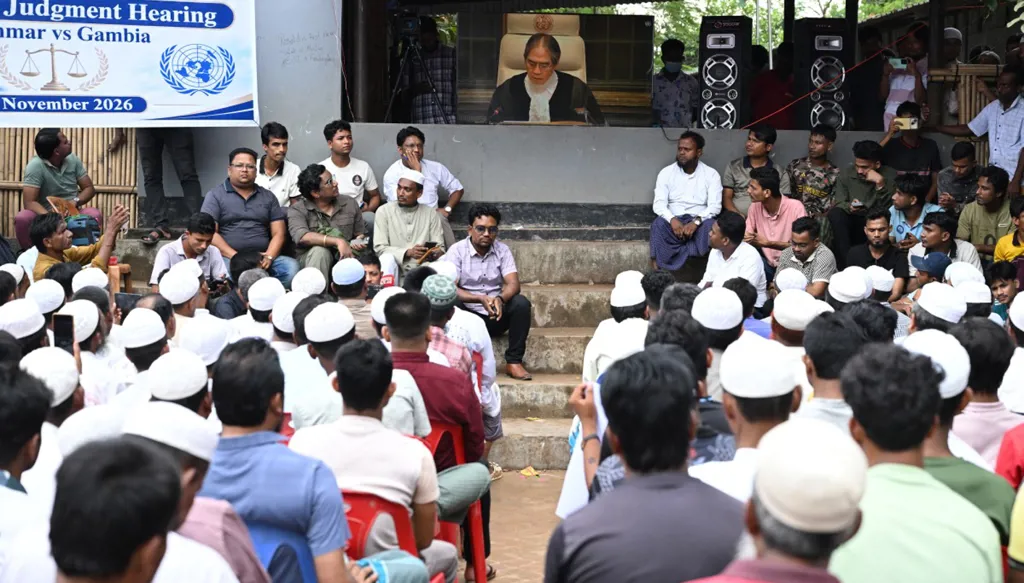
ترحيبٌ دولي باعتراف محكمة العدل الدولية بالإبادة ضد الروهينغا في ميانمار
(opens the publisher’s site)
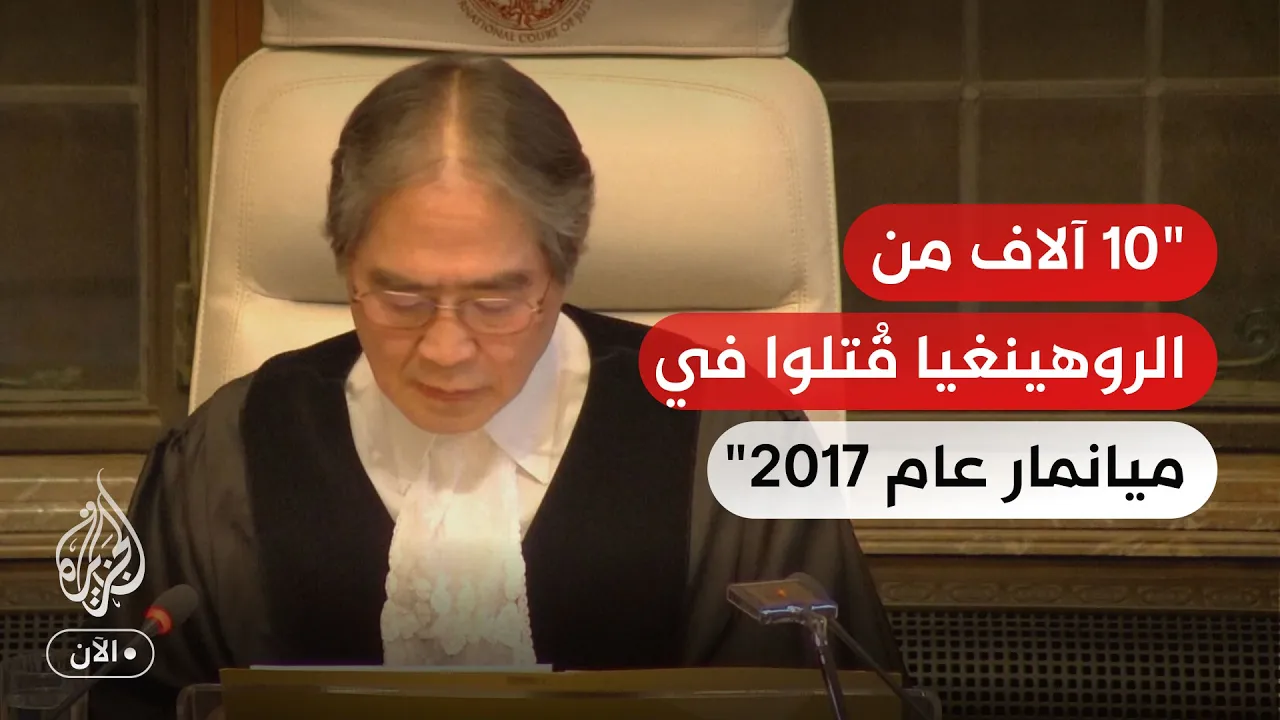
محكمة العدل الدولية تقضى بارتكاب ميانمار إبادة جماعية بحق الروهينجا
(opens the publisher’s site)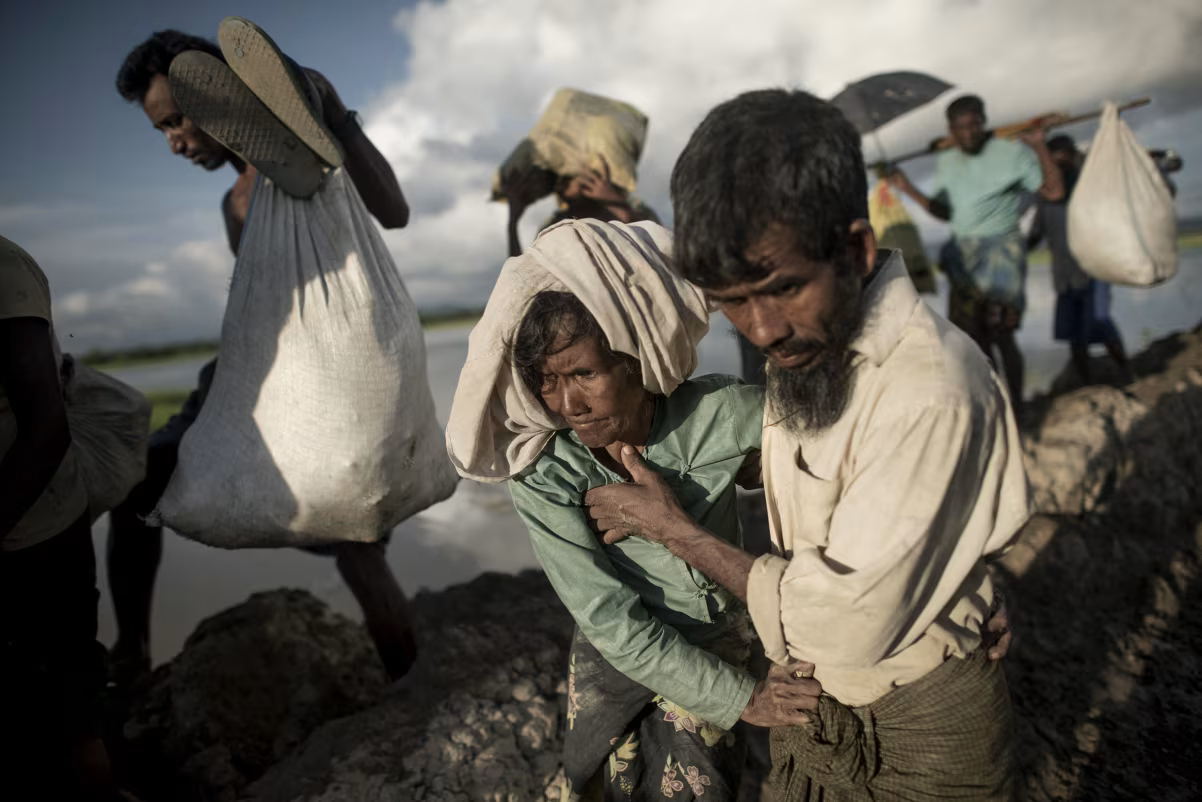
UN top court finds Myanmar guilty of committing genocide against Rohingya minority
(opens the publisher’s site)
محكمة العدل الدولية تدين ميانمار بارتكاب إبادة جماعية بحق الروهينغا وتأمرها بدفع تعويضات
(opens the publisher’s site)
الروهينغا أمام حكم تاريخي.. هل تثبت محكمة العدل الدولية جريمة الإبادة الجماعية؟
(opens the publisher’s site)
UN top court finds Myanmar guilty of committing genocide against Rohingya minority
(opens the publisher’s site)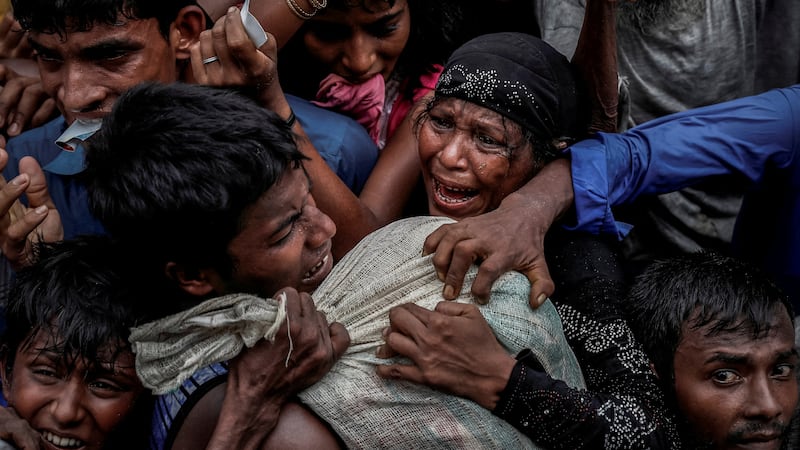
Top UN court rules Myanmar responsible for acts of genocide against Rohingya
(opens the publisher’s site)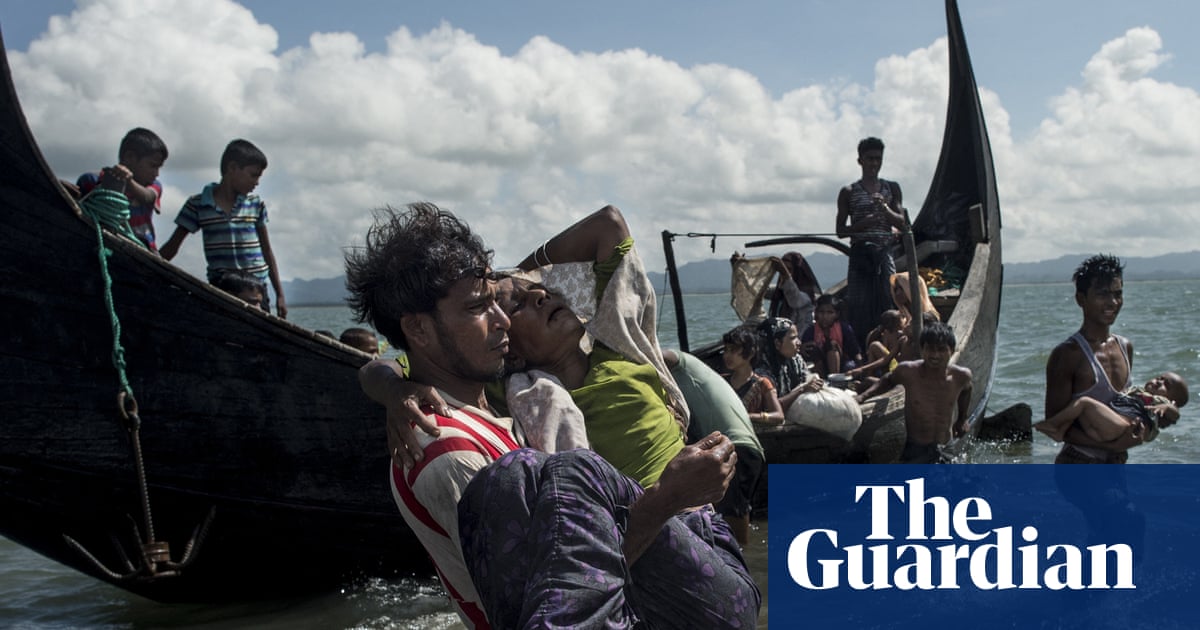
Myanmar committed acts of genocide against Rohingya minority, world’s top court rules
(opens the publisher’s site)
🔴 العدل الدولية: بورما قتلت "آلاف المدنيين" بنية القضاء على جزء كبير من سكان أقلية الروهينغا
(opens the publisher’s site)
UN top court convicts Myanmar of ‘genocidal intent’ against Rohingya
(opens the publisher’s site)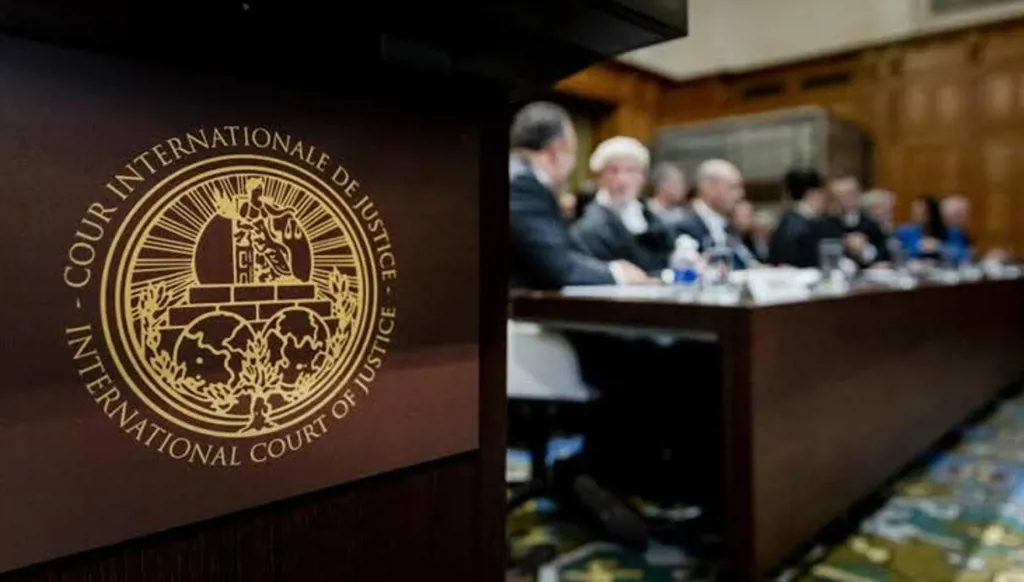
العدل الدولية: ميانمار قتلت "آلاف المدنيين الروهينغا"
(opens the publisher’s site)
عاجل| محكمة العدل الدولية: ندين قوات أمن ميانمار بتهمة قتل آلاف من مسلمي الروهينغا
(opens the publisher’s site)
ICJ to rule on Rohingya genocide case against Myanmar: What’s at stake?
(opens the publisher’s site)The International Court of Justice ruled Thursday that Myanmar's 2017 military campaign against the Rohingya was carried out with intent to destroy the minority group.
- ICJ President Yuji Iwasawa said the court found Myanmar's security forces killed about 10,000 Rohingya and committed widespread sexual violence during the 2017 campaign.
- The court said the only reasonable inference from the evidence was an intent to destroy a substantial part of the Rohingya in northern Rakhine State.
- The court found Myanmar violated its obligation to prevent genocide, saying it should have known of the risk when armed civilians joined the campaign.
- The Gambia brought the case in 2019 under the 1948 Genocide Convention, and hearings on the merits were held at The Hague in January 2026.
- The judgment is the first time the ICJ has found a state responsible for genocide, a precedent for other such cases.
- The case covered military clearance operations in 2016 and 2017 that forced more than 700,000 Rohingya to flee to Bangladesh.
- The court decided the case by a 9-6 vote, with presiding judge Yuji Iwasawa reading the judgment.
- The court rejected Myanmar's argument that its military operations in Rakhine State were legitimate counter-terrorism actions.
- The court ordered Myanmar to pay reparations to Rohingya victims of the 2017 campaign.
- The ICJ ordered Myanmar to investigate and punish those suspected of atrocities and to enact implementing legislation, with a compliance report due within two years.
- Human Rights Watch welcomed the verdict, calling it a long-awaited recognition for the Rohingya.
- The court found Myanmar breached its January 2020 order to prevent the destruction of evidence in the genocide case.