Science
Scientists identify ancient crocodile species in rock that built the Great Sphinx
October 7, 2026 at 12:00 AM · Updated 9d ago
Coverage
3 reports · 2 in Arabic, 1 in English · over 10 hours
MAMasrawy
عمره 45 مليون عام.. جامعة المنصورة تكشف عن جنس جديد من التماسيح الجافيالية
(opens the publisher’s site)
CNCNN
Scientists name ancient crocodile species found in rock that built the Great Sphinx
(opens the publisher’s site)
AJAl Jazeera Arabic
"تمساح أبي الهول".. صياد ماهر جاب البحار المصرية قبل 54 مليون سنة
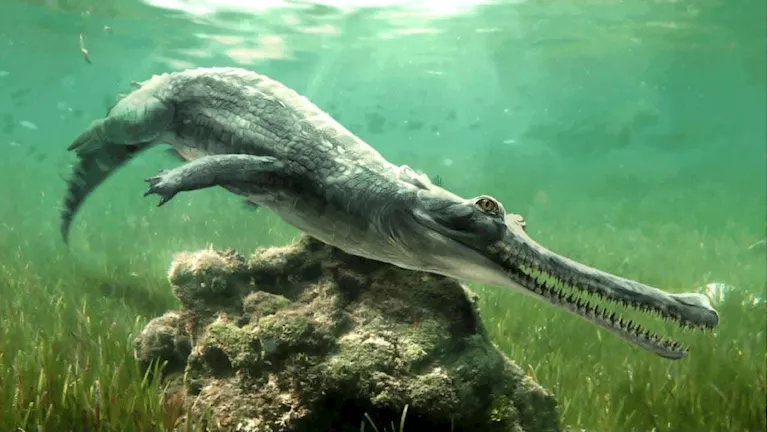
(opens the publisher’s site)Researchers have identified a new genus of extinct crocodilian from fossils found in the same limestone formation that provided stone for the Great Sphinx.
- Researchers identified the extinct crocodilian genus Herugavialis cairensis from fossils in Egypt's Mokattam Formation, the limestone that built the Great Sphinx and Giza pyramids.
- The study, published October 6 in Royal Society Open Science, reclassified fossils first described in 1927 as Tomistoma cairense.
- Burke said Herugavialis cairensis is one of six gharial species known from the Mediterranean across a 43-million-year period.
- Burke said the crocodile's long thin snout and razor-sharp teeth were adapted to capture fish in the shallow sea that covered northern Egypt.
- Egypt's Higher Education Minister Abdelaziz Konsowa congratulated Mansoura University and its Vertebrate Paleontology Center, led by Hisham Salam, for the study.