Business
Middle East crude exports surpass pre-war levels despite Hormuz attacks
October 5, 2026 at 04:59 AM · Updated 11d ago

6 reports · 5 in Arabic, 1 in English · over 7 hours

SNSky News Arabia
الحرس الثوري يهدد ناقلة بالاستهداف في مضيق هرمز
(opens the publisher’s site)
AJAl Jazeera Arabic
الذهب يتعافى والنفط يتراجع بفعل زيادة الإمدادات
(opens the publisher’s site)
AJAl Jazeera Arabic
صادرات النفط من الشرق الأوسط تتجاوز مستويات ما قبل الحرب
(opens the publisher’s site)
AJAl Jazeera English
Middle East oil exports surpass pre-war levels despite tensions, data shows
(opens the publisher’s site)
SNSky News Arabia
صادرات النفط من الشرق الأوسط تتجاوز مستويات ما قبل الحرب
(opens the publisher’s site)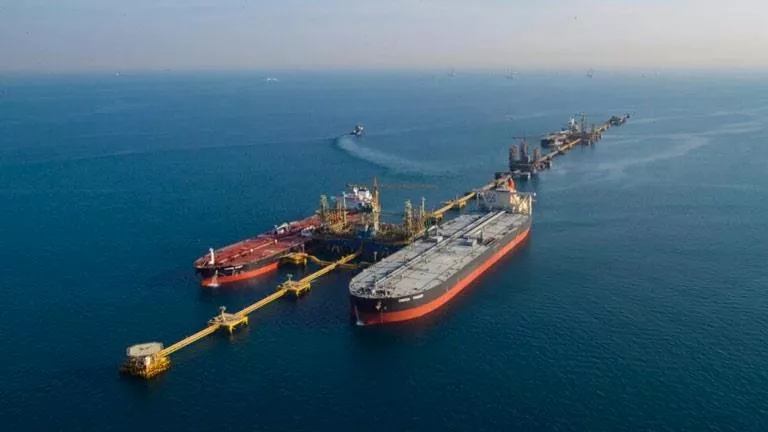
MAMasrawy
رغم هجمات هرمز.. صادرات نفط الشرق الأوسط تتجاوز مستويات ما قبل الحرب
(opens the publisher’s site)Shipping data shows Middle East oil exports exceeded pre-war levels last week even as attacks on vessels transiting the Strait of Hormuz continued.
- Kepler ship-tracking data showed crude exports exceeded the pre-war average of 18 million barrels per day on four days in late September, reaching 19.5–22.5 million daily.
- The seven-day export average reached 18.5 million barrels per day on 1 October, while September LNG shipments through Hormuz hit their highest monthly level since February.
- Marisks recorded at least seven tanker attacks around Hormuz, including a 1 October projectile strike on supertanker Kazimah 3 that caused a fire; the crew was evacuated unharmed.
- Marisks said commercial ships face an increasingly unpredictable threat, and recent incidents may not reflect deliberate targeting of individual vessels.
- Oil prices fell Monday as Brent dropped 0.7% to $101.50 and WTI declined 1.35% to $89.88 amid the export surge.
- Ships increasingly transit the strait under US naval protection while Saudi Arabia's east-west and the UAE's Fujairah pipelines run at full capacity.
- The G7 approved releasing 100 million barrels from emergency reserves, contributing to the fall in oil prices.
- OPEC+ reportedly postponed a review of 2027 production quotas after the war on Iran disrupted expansion projects.
- IRGC commander Ali Fadavi called daily flows through the Strait of Hormuz 'negligible' and claimed US warships in the region are vulnerable to attack.
- Iran's negotiator said the strait will remain closed until the US accepts Tehran's seven-day reopening plan.
- The UK Maritime Trade Operations reported Iran's Revolutionary Guard warned a tanker to turn back or face targeting; the vessel complied north of Khasab, Oman.
- Aramco CEO Amin Nasser warned oil-market pressure will intensify until Hormuz reopens, citing roughly 3 billion barrels lost and inventories below 6 billion.