Iran holds mass funeral for slain supreme leader Ayatollah Ali Khamenei
July 13, 2026 at 01:28 PM · Updated 96d ago
Coverage
10 reports · 5 in Arabic, 5 in English · over 213 hours
من بودابست للإقامة الجبرية.. كيف جندت إسرائيل رئيسا إيرانيا؟
(opens the publisher’s site)بعد تكهنات.. كشف هوية الرجل المقنّع في جنازة خامنئي
(opens the publisher’s site)لغز الغياب.. لماذا لم يظهر مجتبى خامنئي في جنازة والده؟
(opens the publisher’s site)دفن جثمان خامنئي في مشهد.. ولغز مجتبى مستمر
(opens the publisher’s site)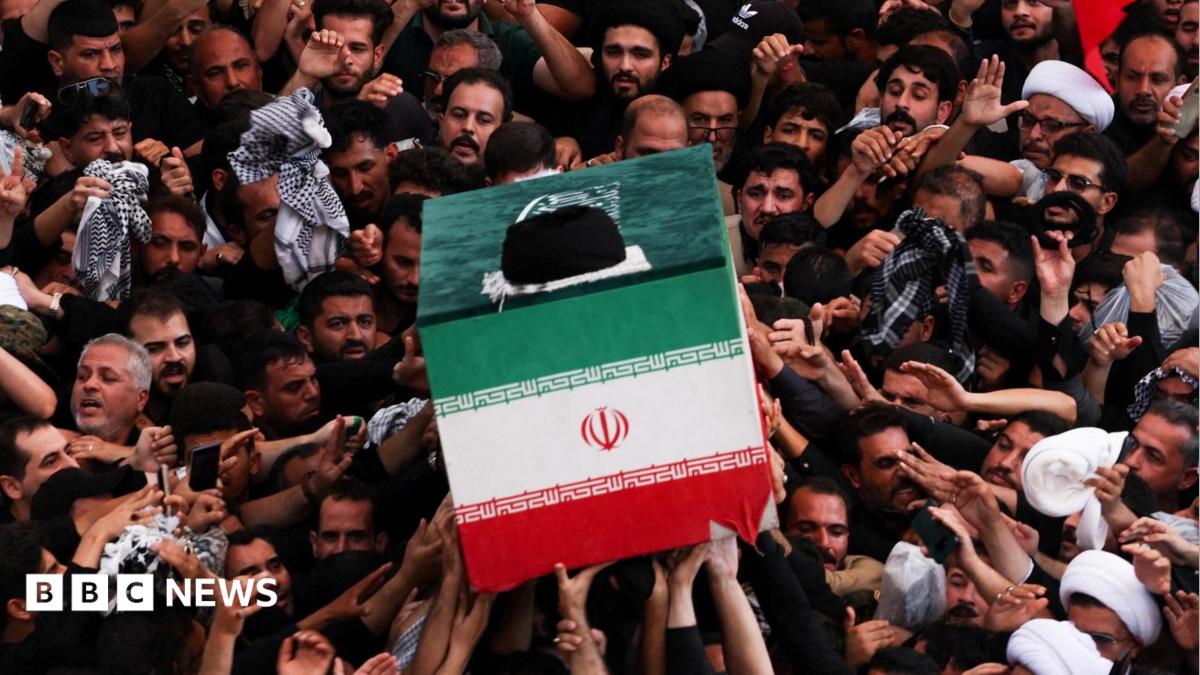
Khamenei's coffin carried through Shia shrines as ceremonies held in Iraq
(opens the publisher’s site)نعش خامنئي في العراق.. حشود غفيرة وغياب مستمر لمجتبى
(opens the publisher’s site)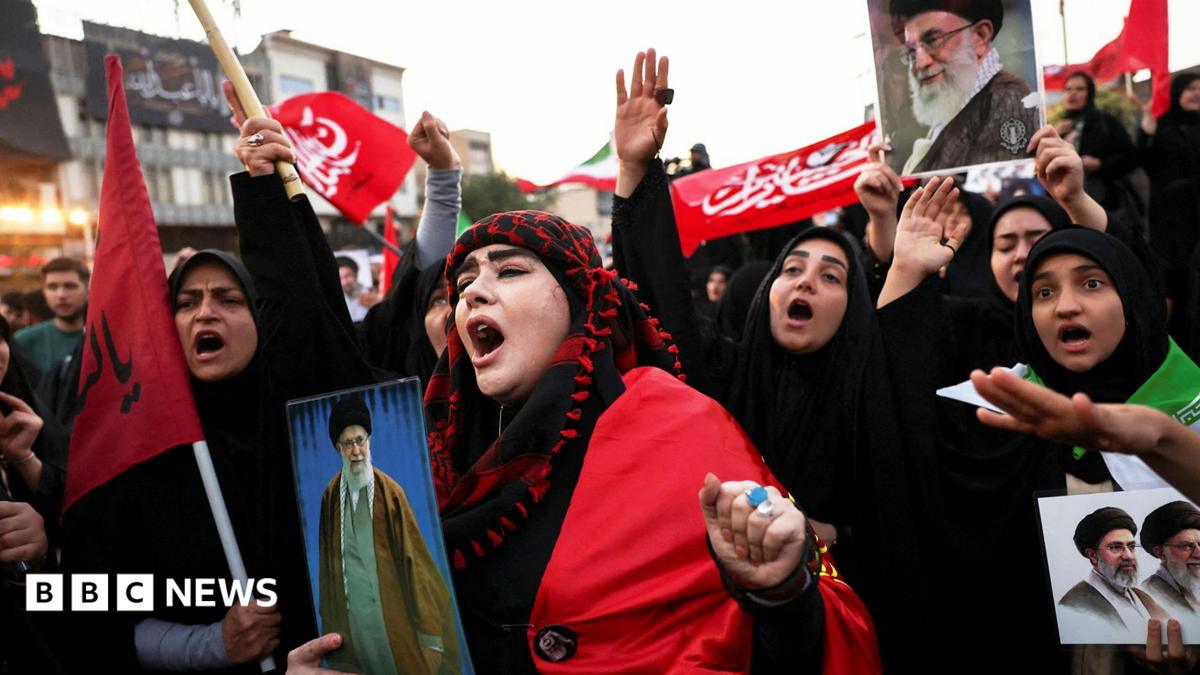
Resistance and revenge - Iran wanted to send a message with its farewell to Khamenei
(opens the publisher’s site)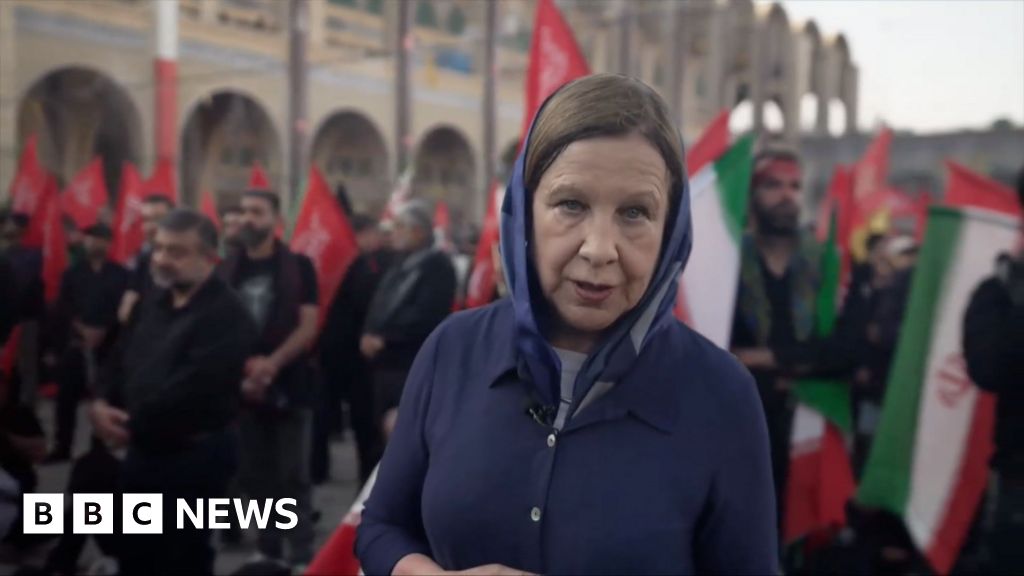
Watch: Lyse Doucet on emotion and politics at Tehran funeral of former supreme leader
(opens the publisher’s site)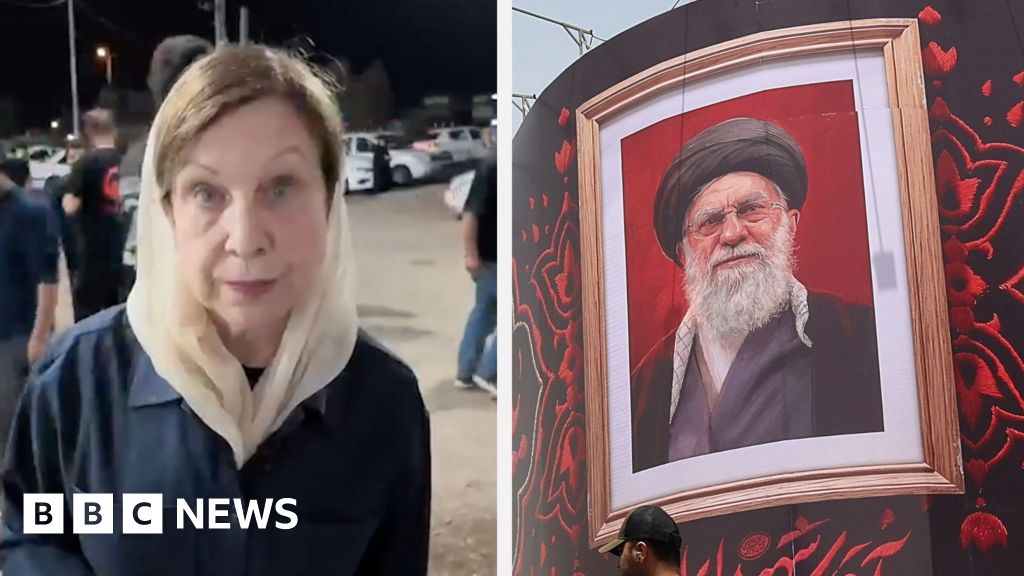
Funeral of Iran's former supreme leader 'intensely political moment'
(opens the publisher’s site)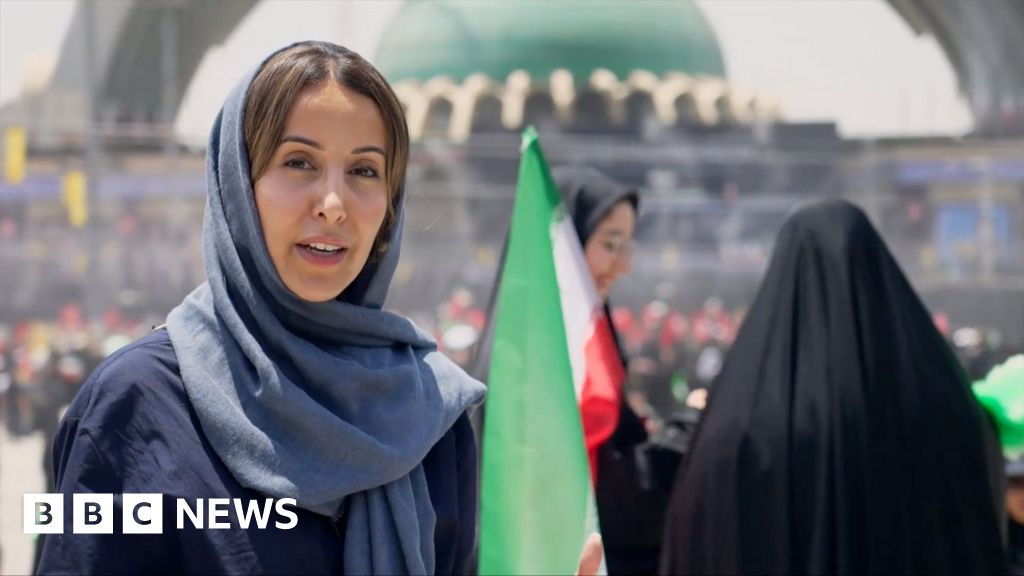
BBC in Tehran as mourners gather for former supreme leader's funeral
(opens the publisher’s site)Millions of mourners in Tehran attended the funeral of Ayatollah Ali Khamenei, who was killed in US-Israeli airstrikes on 28 February 2026.
- Ayatollah Ali Khamenei and four family members were killed by US-Israeli air strikes on 28 February, triggering a six-day funeral.
- On Monday, a funeral cortege carrying five coffins inched along a 10km route through Tehran, slowed by millions of mourners.
- Iran’s President Masoud Pezeshkian rebutted US President Donald Trump’s claim that mourners’ tears were “fake.”
- A government official stated that anger among hardline critics within the system is real, as they oppose the new deal with the United States.
Latest developments
Amid the mass funeral, speculation that a masked man accompanying the coffins was Mojtaba Khamenei, the late leader’s son, has been denied. Iran International identified the individual as Mohammad Javad Khamenei, the eldest grandson of the slain ayatollah, whose face was covered due to severe burns sustained in the 28 February strikes. Mojtaba Khamenei has not been seen publicly since the attack, with intelligence reports indicating he may have been seriously injured, adding uncertainty to the succession within Iran’s leadership as the funeral was intended to project institutional continuity.
Latest developments
Subsequently, the funeral ceremonies expanded to Iraq on Wednesday, with Khamenei’s coffin arriving in Najaf, where it was received by Iraqi Prime Minister Ali al-Zaidi, Iranian President Masoud Pezeshkian, and Quds Force commander Esmail Qaani. Large crowds gathered in Najaf’s streets before the procession is set to move to Karbala and then to Mashhad for burial. Attendees included Khamenei’s son Mustafa, while his successor Mojtaba Khamenei remains absent. The funeral coincided with renewed US-Iran tensions, as the US military struck over 80 Iranian targets in the Strait of Hormuz and Iran’s Revolutionary Guards retaliated against US facilities in Bahrain and Kuwait.