Science
Stanford scientists create mice with part-human brains in study published in Nature
September 16, 2026 at 04:28 PM

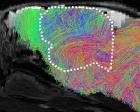
US neuroscientists have engineered mice with functioning human brain cells, replacing the animals' own cortex and hippocampus, to study human psychiatric and neurological disorders.
- Stanford researchers implanted human brain organoids, grown from reprogrammed skin cells, into mice engineered to lack their own cerebral cortex and hippocampus; the tissue wired into the animals' brain circuitry and spinal cord, with results published in Nature.
- Lead researcher Sergiu Pașca said the model captures aspects of human brain function not previously possible, noting that psychiatry and neurology have "one of the lowest success rates for clinical trials."
- About six months after surgery, behavioural tests showed the mice performed "largely as [normal] mice did," with no enhancement, though their shaky gait and cognitive problems improved slightly.
- Pașca said the work had extensive ethical oversight, while outside experts said animal welfare will require close monitoring of the engineered mice.