Science
Scientists advance human hibernation research for space travel and medicine
July 14, 2026 at 03:03 PM
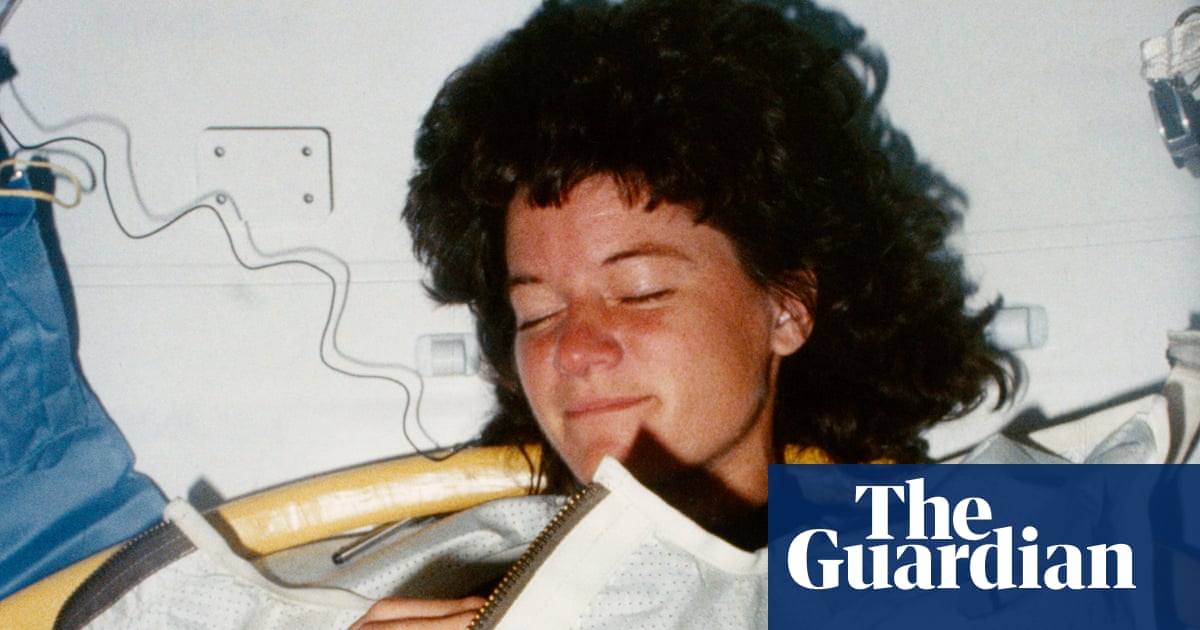
Researchers are developing techniques to induce synthetic torpor in humans, aiming to protect against space radiation and treat diseases on Earth.
- European Space Agency researcher Christiane Hahn said hibernation could "transform the future of space travel" by reducing radiation damage, muscle loss, and payload requirements.
- Scientists at Washington University in St. Louis have used ultrasound to trigger synthetic torpor in animals since 2023, avoiding invasive brain surgery.
- University of Pittsburgh researcher Clifton Callaway gave healthy humans a sedative for five days, reducing metabolic rate by 20% and calorie consumption by 30%.
- MIT researcher Siniša Hrvatin published a non-peer-reviewed paper activating neurons in hamsters' preoptic area to lower body temperature to 15°C.