Global website shutdowns follow AI-discovered PHP flaws
October 22, 2026 at 05:55 AM · Updated 1h ago
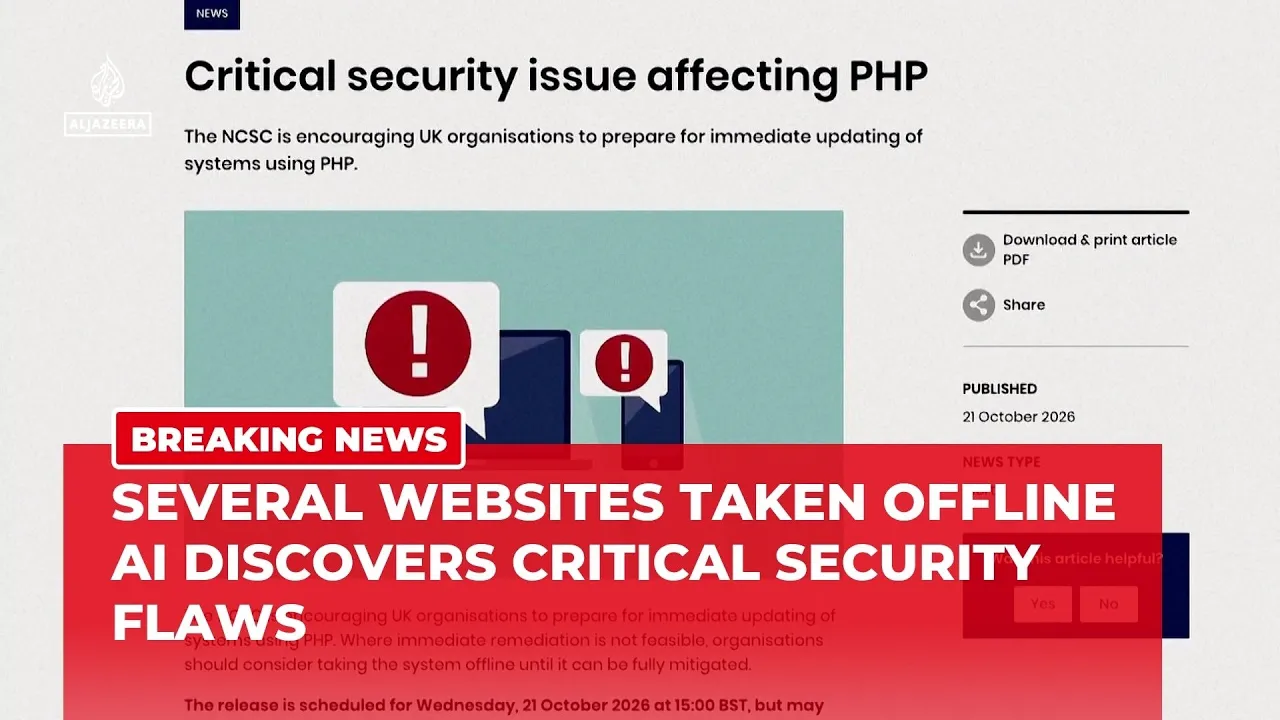
7 reports · 2 in Arabic, 5 in English · over 8 hours

What’s the PHP coding flaw that could pull down 70 percent of the internet?
(opens the publisher’s site)
70 % من مواقع العالم في خطر.. ثغرة إلكترونية تشل 32 خدمة في لندن.. ماذا يحدث؟
(opens the publisher’s site)
How did AI discover the internet's massive cyber-security risk?
(opens the publisher’s site)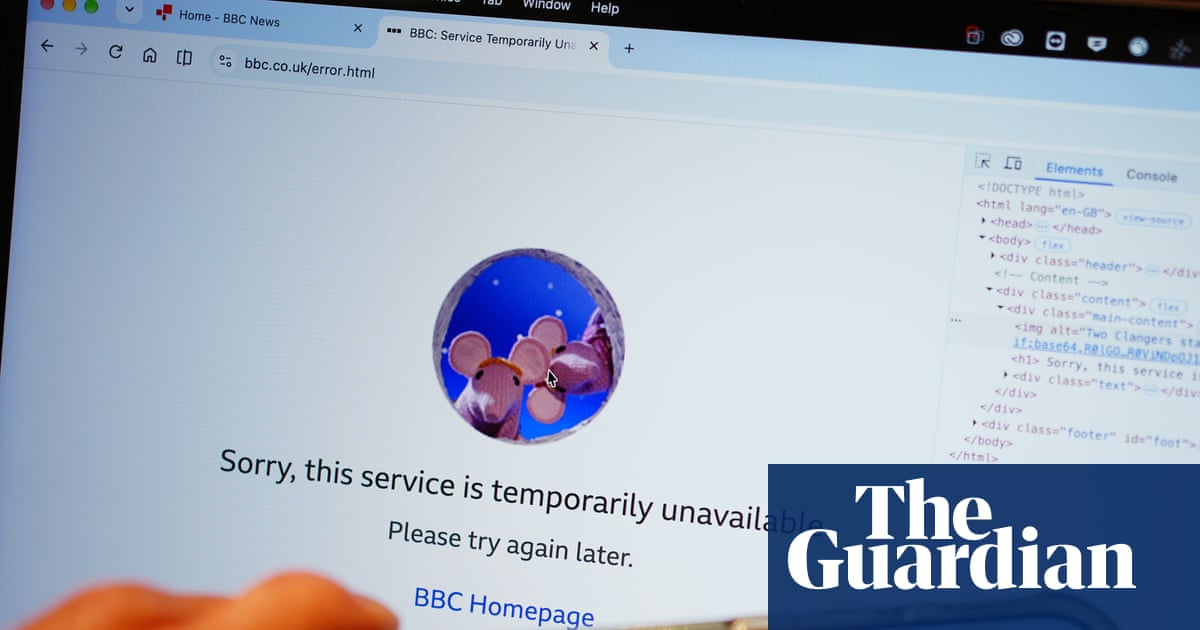
Websites across world hit by millions of attempts to exploit PHP code flaw
(opens the publisher’s site)
استنفار عالمي عقب رصد ثغرة خطيرة تهدد 70% من مواقع الويب
(opens the publisher’s site)
UK working to identify exposure after global cyber-security warning
(opens the publisher’s site)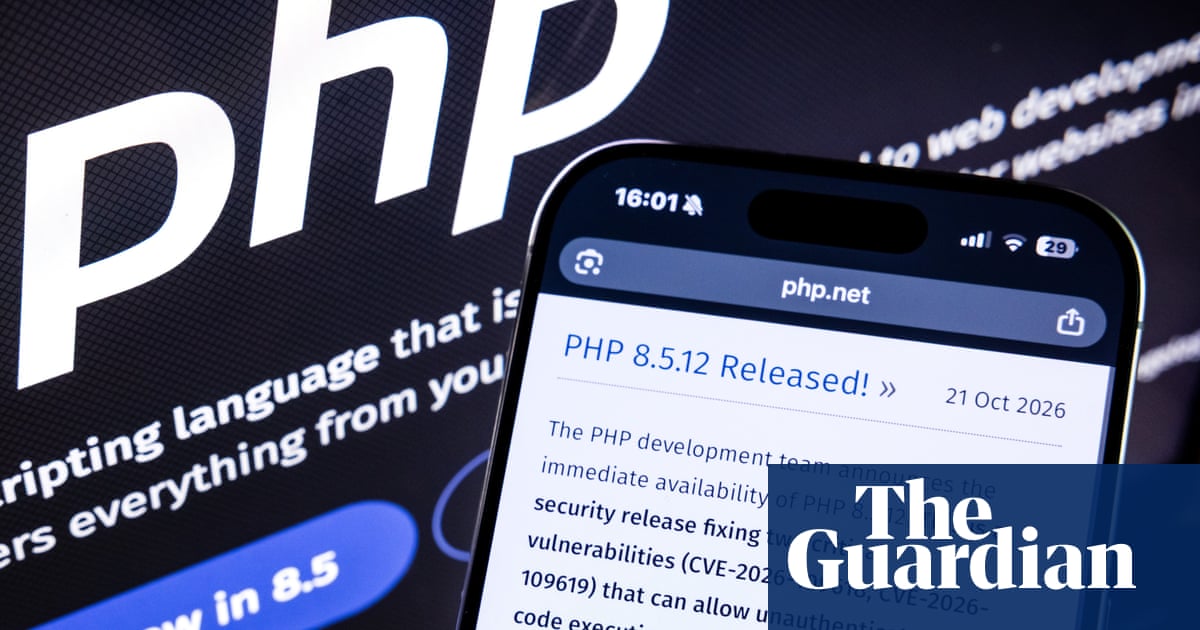
What is PHP, and how bad is the computer language flaw causing website shutdowns globally?
(opens the publisher’s site)Governments and major companies took systems offline Thursday after AI-discovered vulnerabilities in the PHP programming language threatened millions of websites worldwide.
- The PHP Foundation rushed its disclosure after details of the flaws leaked on social media, bringing forward the planned release.
- Amazon reported a PHP2Shell exploitation attempt against its honeypot systems on 17 October, before the disclosure embargo was lifted.
- The UK's National Cyber Security Centre urged PHP users to apply fixes, advising organizations to take systems offline if immediate remediation was not feasible.
- The Dutch cybersecurity agency, Finland's government and Wikipedia took websites offline as a precaution.
- The flaws, designated CVE-2026-109618 and CVE-2026-109619, were discovered by Wiz Research using artificial intelligence tools from OpenAI and Google.
- The vulnerabilities affect roughly 70% of global websites and allow attackers to execute remote code and take over servers.
- Millions of exploitation attempts have been logged since the disclosure, security experts reported on Thursday.
- The US National Security Agency warned the flaw could allow attackers to control web servers and steal data.
- South Korea activated emergency response measures, while China and Japan urged organizations to patch their systems.
- France and Belgium also took websites offline as a precautionary measure following the disclosure.
- The Internet Archive was reportedly affected by the PHP2Shell vulnerability that also forced Wikipedia offline.
- Wiz Research described the flaws as the most severe it had ever detected, while OpenAI called them among the most impactful in recent memory.