Cairo water conference opens as Germany proposes Egyptian manufacturing hub
October 26, 2026 at 07:59 AM · Updated 28m ago
Coverage
15 reports · over 7 hours
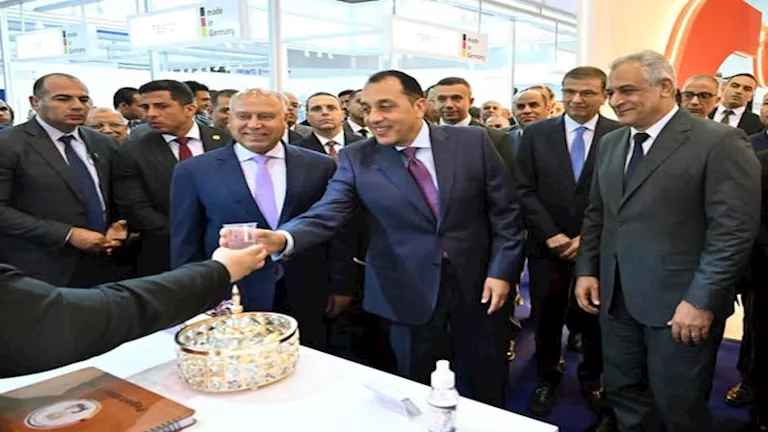
مدبولي يتفقد أجنحة معرض تكنولوجيا المياه IWWI 2026 ويؤكد توطين الصناعة (صور)
(opens the publisher’s site)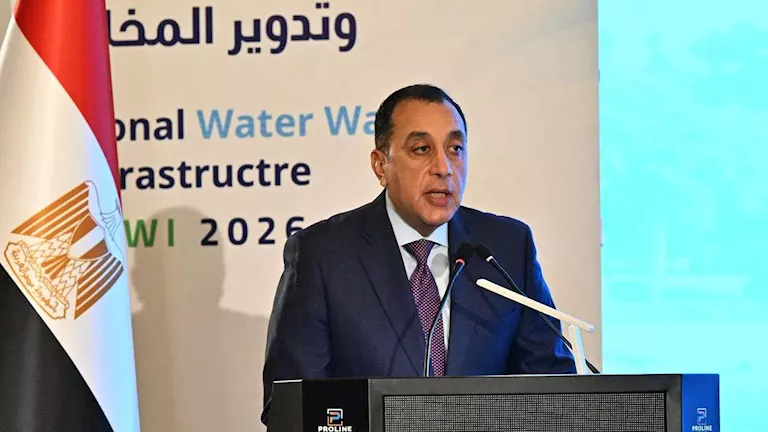
مدبولي: استثمرنا 635 مليار جنيه لتطوير مياه الشرب والصرف الصحي في 12 عامًا
(opens the publisher’s site)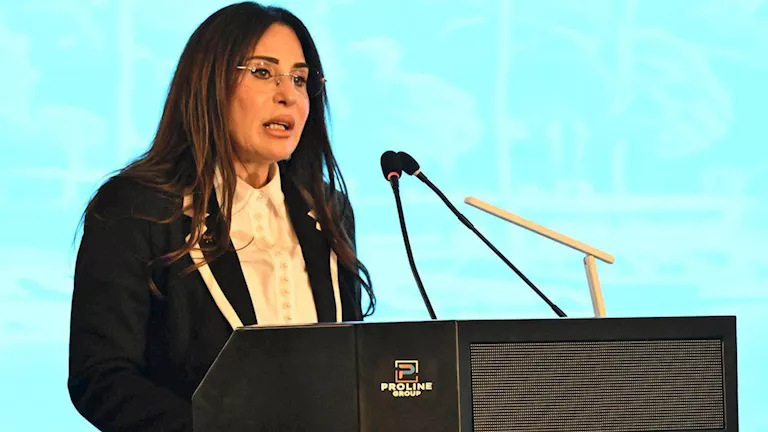
الإسكان: استهداف إنتاج 10 ملايين متر مكعب من المياه المحلاة يوميًا بحلول 2050
(opens the publisher’s site)
الإسكان: تراجع فاقد مياه الشرب إلى 24.9% ونستهدف 20% بحلول 2030
(opens the publisher’s site)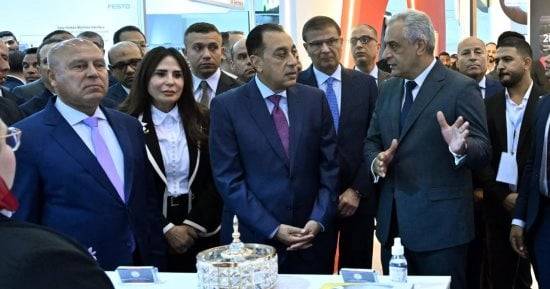
رئيس الوزراء يؤكد أهمية توطين صناعة المهمات والمعدات المستخدمة فى مشروعات مياه الشرب والصرف
(opens the publisher’s site)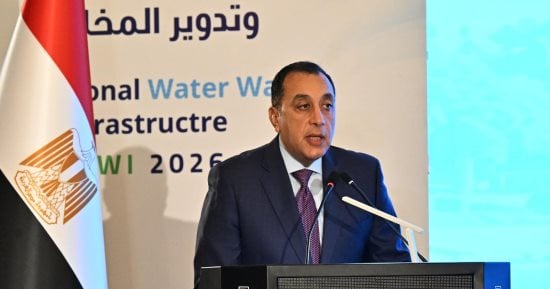
مدبولي: تعزيز الأمن المائي يمثل أحد الأولويات الاستراتيجية للدولة المصرية
(opens the publisher’s site)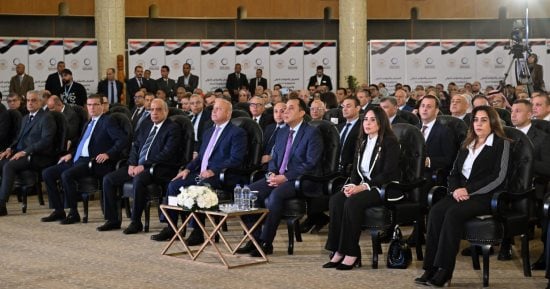
رئيس الوزراء يشارك فى افتتاح الدورة الخامسة من المعرض والمؤتمر الدولى لتكنولوجيا المياه
(opens the publisher’s site)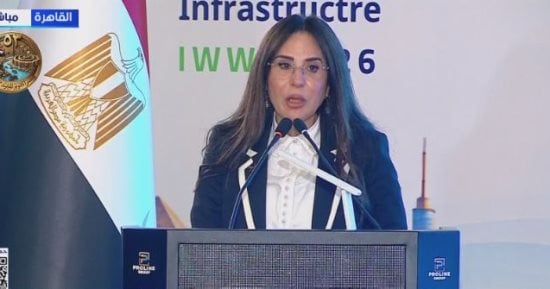
وزيرة الإسكان: المؤتمر الدولى لتكنولوجيا المياه منصة مهمة لتبادل الخبرات والحلول
(opens the publisher’s site)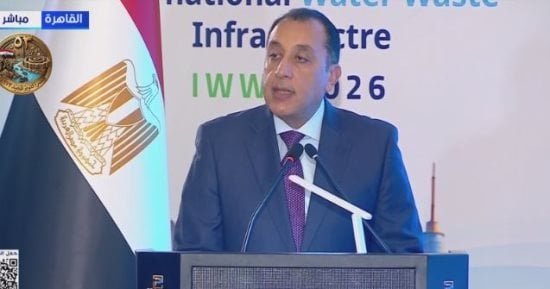
رئيس الوزراء: تعزيز الأمن المائي أولوية استراتيجية للدولة المصرية
(opens the publisher’s site)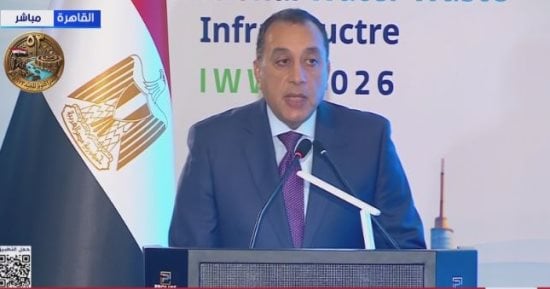
رئيس الوزراء: استثمارات بأكثر من 635 لتطوير قطاع مياه الشرب والصرف الصحي
(opens the publisher’s site)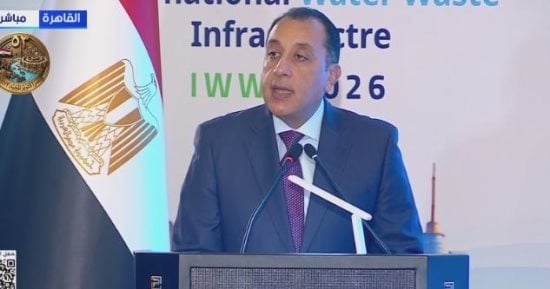
رئيس الوزراء: قطاعات المياه والطاقة والبنية التحتية تكتسب أهمية استراتيجية
(opens the publisher’s site)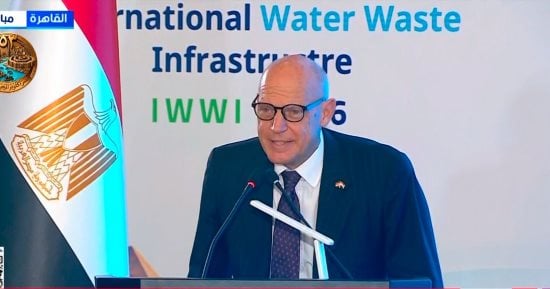
فرانك هوفمان: مصر بوابة لتصنيع تكنولوجيا المياه الألمانية والتوسع في إفريقيا
(opens the publisher’s site)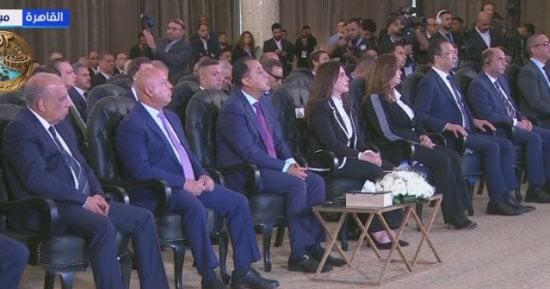
رئيس الوزراء يشهد افتتاح المؤتمر الدولى لتكنولوجيا المياه والصرف الصحى
(opens the publisher’s site)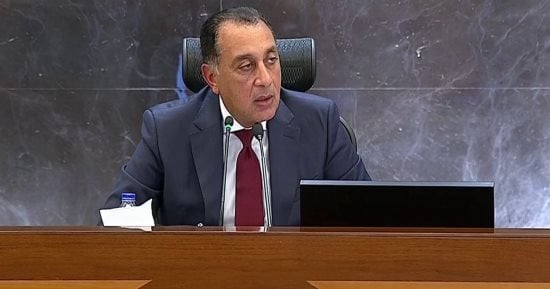
رئيس الوزراء يشهد بعد قليل افتتاح المؤتمر الدولى لتكنولوجيا المياه
(opens the publisher’s site)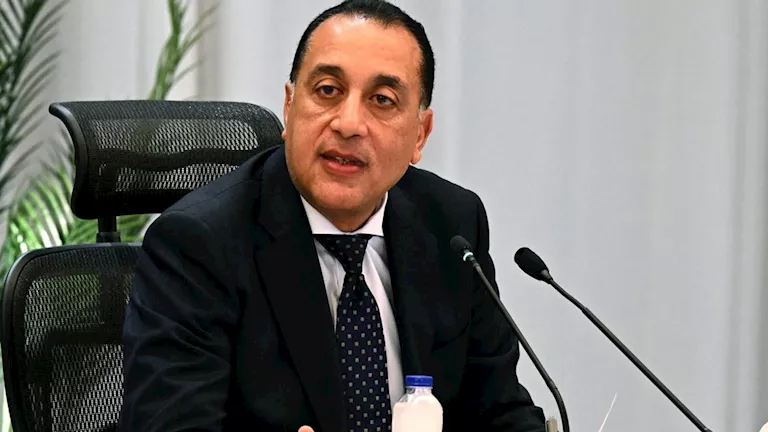
اليوم.. رئيس الوزراء يفتتح المعرض الدولي لتكنولوجيا المياه والصرف الصحي
(opens the publisher’s site)Prime Minister Mostafa Madbouly opened the fifth International Water Technology and Sanitation Conference in Cairo on Monday as a German group unveiled a joint manufacturing initiative.
- Madbouly attended the opening of the three-day conference, running October 26–28 at the Egypt International Exhibitions Center in Nasr City.
- Hofmann announced a cooperation plan, the "Water Economy Triangle," pairing German technology, Egyptian industry, and African markets, developed with Egypt's Housing Ministry.
- Hofmann said German exports of water treatment equipment rose 5.6 percent to about 1.37 billion euros in 2025, citing German mechanical engineering industry data.
- Hofmann said Egypt could serve as a gateway for manufacturing German water technology and expanding into African markets.
- Madbouly said Egypt directed investments of about 635 billion Egyptian pounds over 12 years to the drinking water and sanitation sector.
- Madbouly called enhancing water security a strategic priority requiring seawater desalination and reuse of treated wastewater.
- Housing Minister Randa Al-Menshawy said water security requires integrated approaches, maximizing water resources, and reusing wastewater.
- Madbouly toured exhibitor pavilions, inspecting water meter, treatment chemical, and smart grid booths to promote localizing equipment manufacturing.
- Al-Menshawy said the event features 61 national and international companies, noting a regulatory framework established under Law 172 of 2025.
- Al-Menshawy outlined an integrated strategy targeting about 10 million cubic meters per day of seawater desalination capacity by 2050.
- Al-Menshawy said desalination plants rose from 36 in 2014 (84,000 cubic meters daily) to 129 in 2026, with 19 more under construction.
- Al-Menshawy said drinking water loss fell from 31 percent in 2014 to 24.9 percent in 2026, targeting 20 percent by 2030.